10 Tools Every Freelancer Needs
The post called LastPass "industry-leading" two years before a breach whose stolen vaults were still being cracked to drain crypto wallets in 2025.

How to Know If Your Skills Are Applicable to the Future of Work
Written two years before ChatGPT, its safest bet was coding: "coders and programmers will be needed to direct these technological replacements". Coding arguably became one of the areas AI disrupted first.
7 Mental Health Survival Tips for Remote Workers That You Can't Ignore
Written on New Year's Day 2020 for a niche of digital nomads, its warning about isolation became a problem millions faced within weeks; loneliness is now the second most-cited remote-work struggle.

Why Coworking Spaces are Great for Professional Growth
Published on Christmas Eve 2019, it predicted the end of the home office weeks before a pandemic made the home office the default for millions.
Working Remotely in Budapest
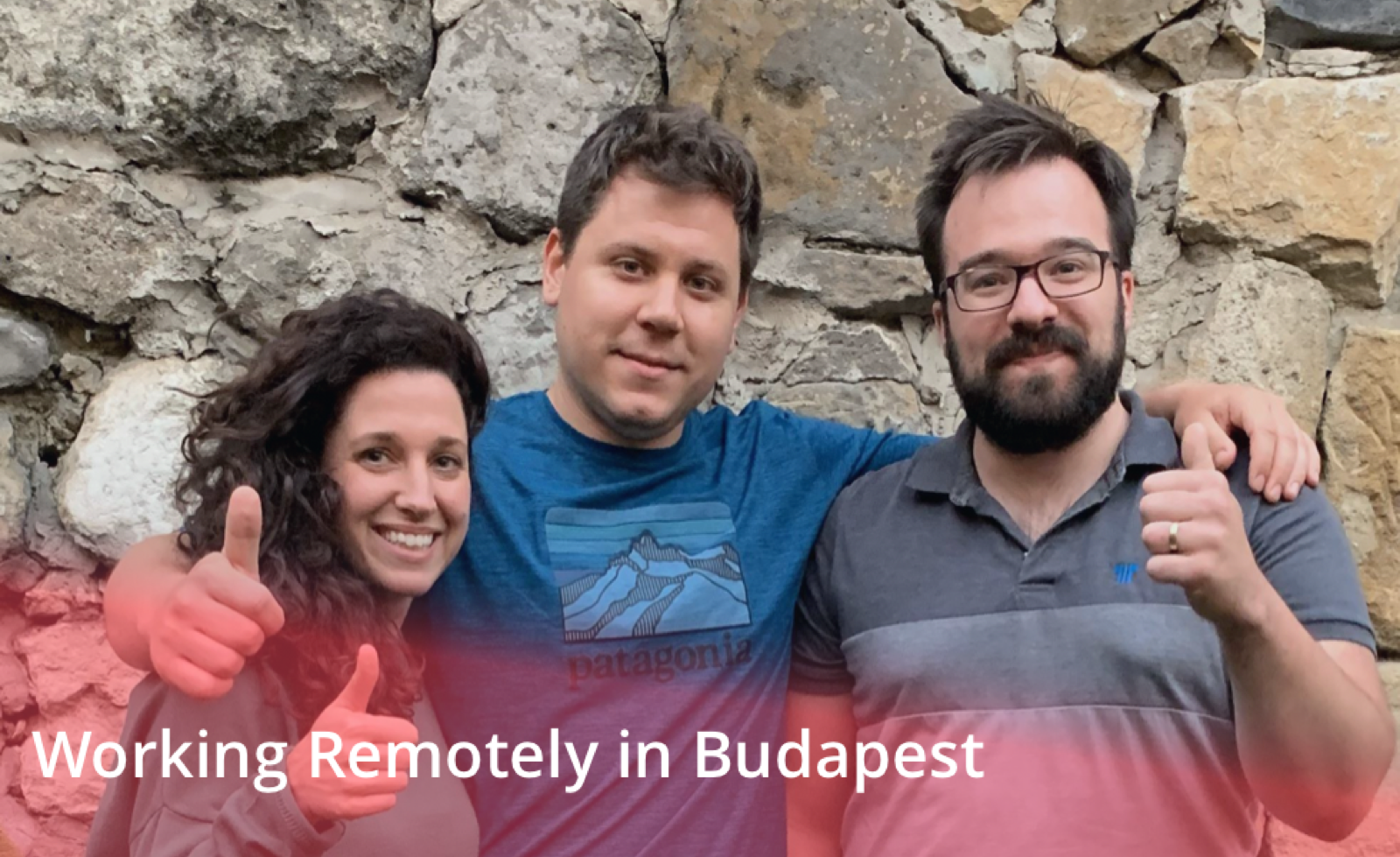
What a 2019 interview called a hunch, that nomads were choosing Budapest, became law: Hungary now issues a "White Card" residence permit for remote workers earning about €3,000 a month.
The 5 Best Cafes for Working in Sofia, With Totally Different Vibes
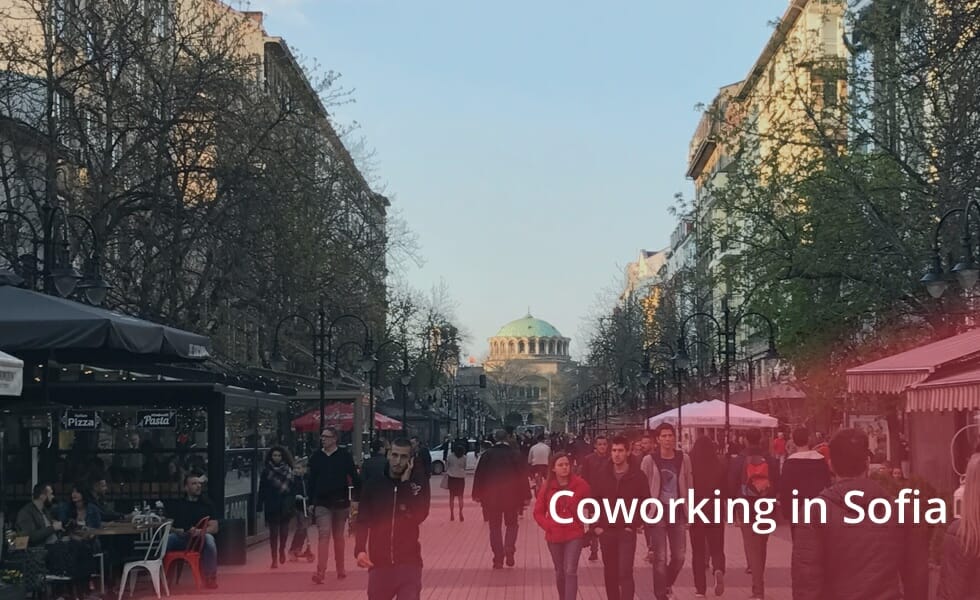
Six years and a pandemic later, four of the five cafés are still where the guide put them. The only casualty is Sun Moon's "main location" on Alabin, reported closed in October 2021.
Is Coworking Right for You?
Written nine months before COVID, its opening line ("more and more people are starting to work remotely") turned out to be the understatement of the decade.
What CoworkingNow 2019 has taught us!
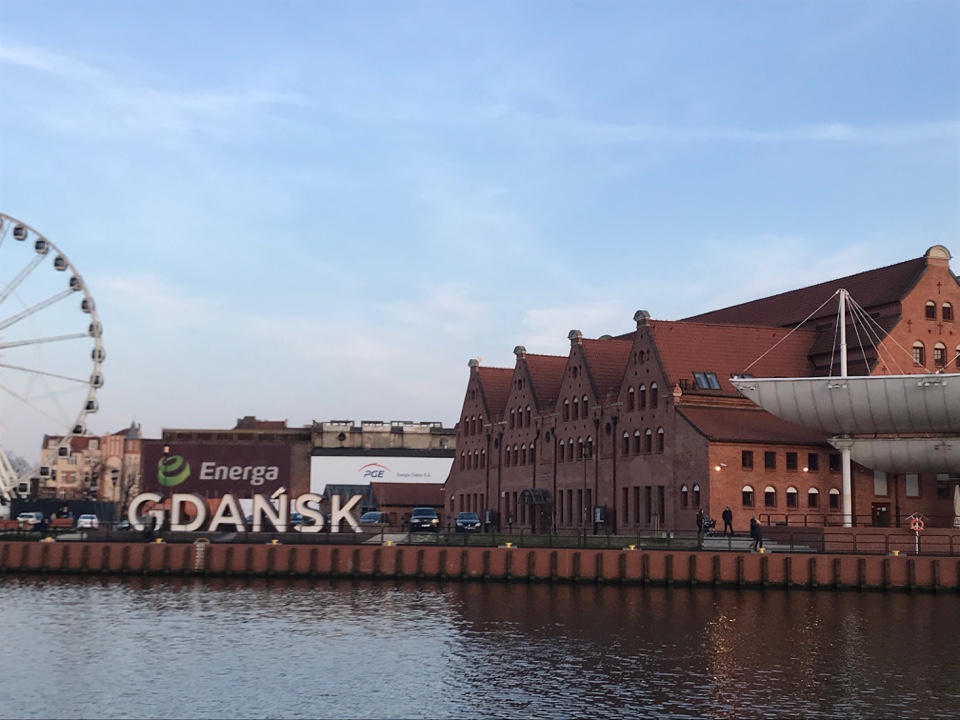
The sense of being "early adopters of an industry that is yet forming" in 2019 gave way within six years to a mature "flex workspace" sector with hotel-group brands.
Geleceğin Ofisleri Nasıl Olacak?
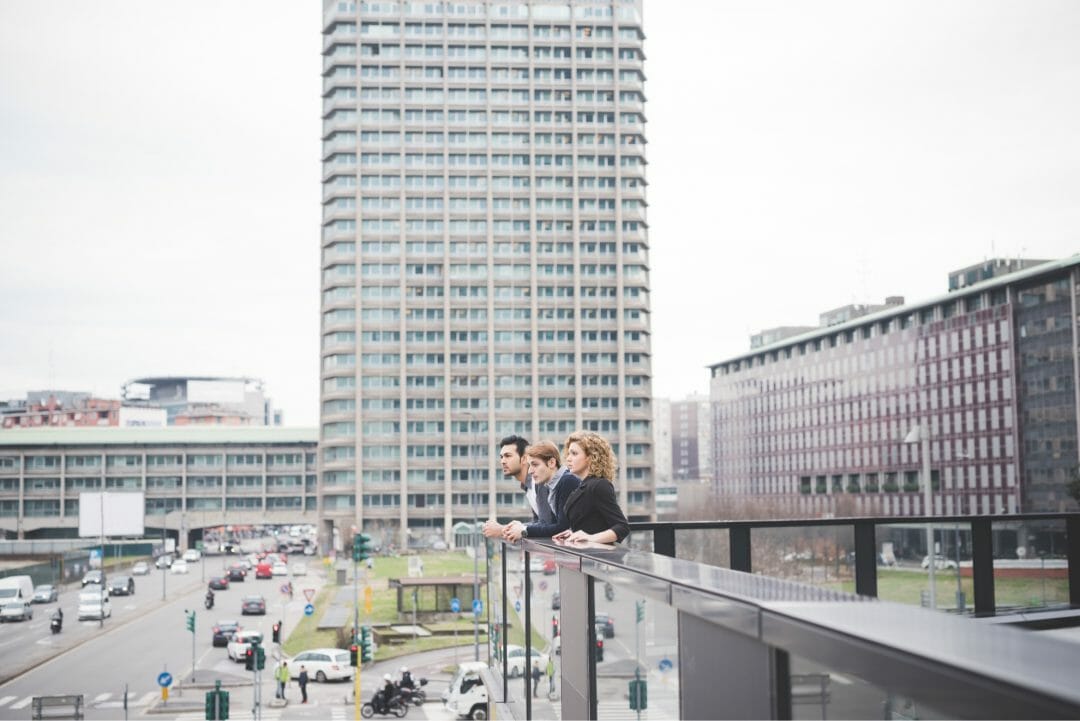
The "10 years from now" office of 2029 turned out to be neither holograms nor standing studios: it is half-empty and hybrid, with workers wanting about half a day more WFH per week than employers plan.
Why CoworkingNow, Why Poland?
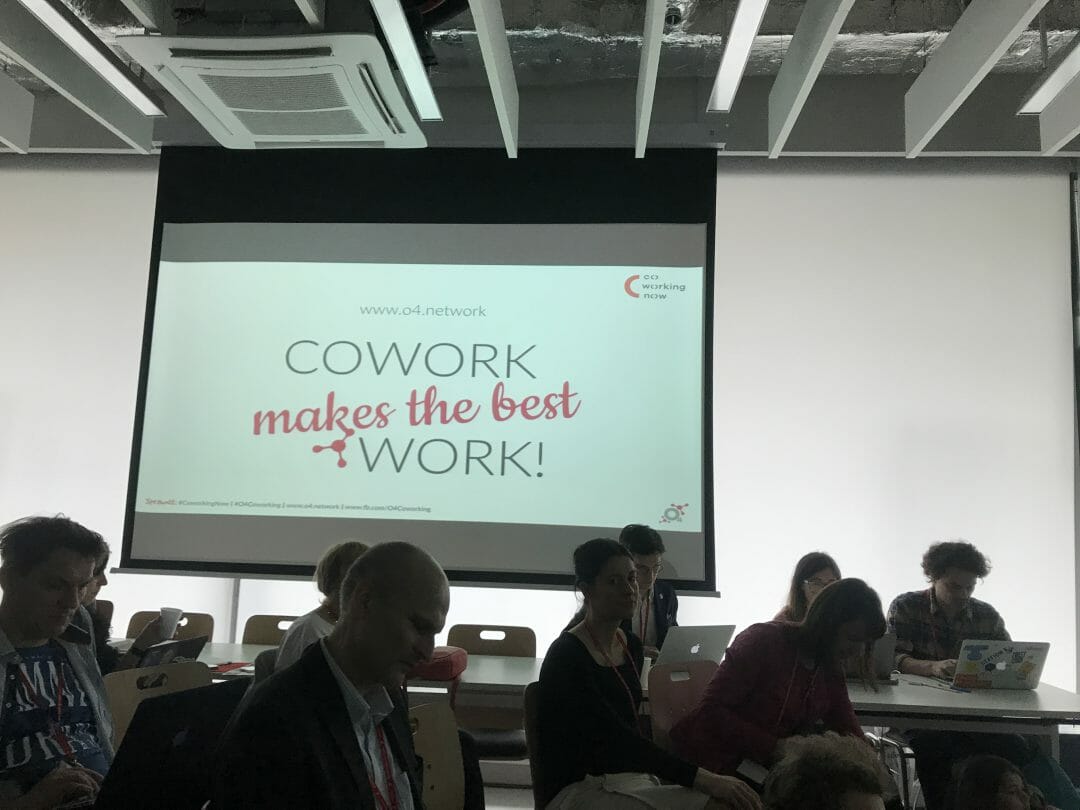
O4, whose conference insisted that serviced offices are "a different business, and not coworking", now leads its own homepage with serviced offices.

Should freelancers be available for clients 24/7 ?
Several countries have since legislated a right to disconnect, but none of the laws found covers freelancers, so the post's advice to set contractual boundaries up front remains their main protection.

Freelancerlar için 6 güvenlik tavsiyesi
The 2019 warning about poisoned job files came true on a much larger scale: North Korean hackers used fake freelance coding interviews to compromise at least 30,000 devices.
7 Great Suggestions for Location Independents
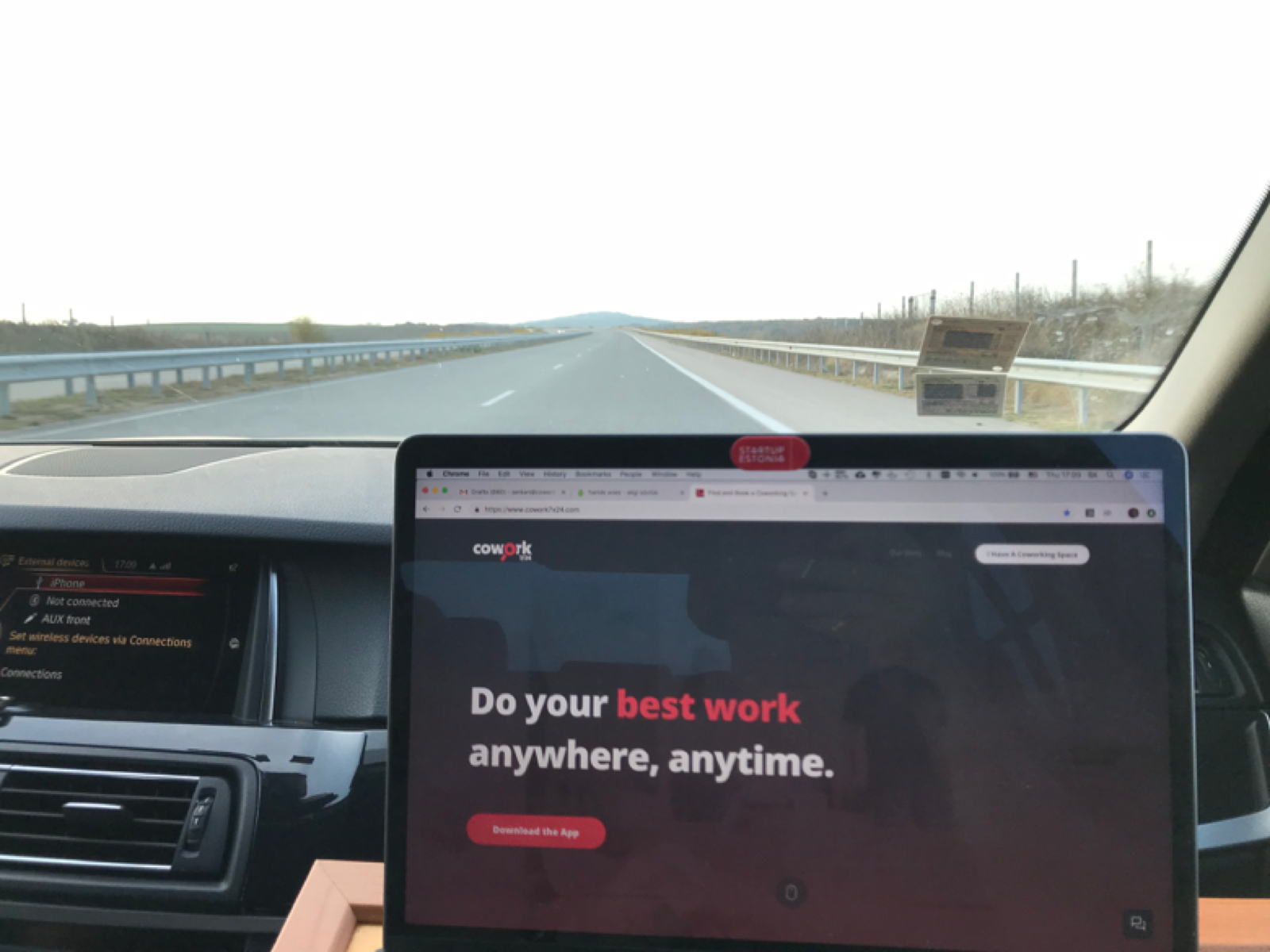
Coworking Bansko, which put a Bulgarian ski town on the nomad map, changed hands, and its founder has moved on to a bigger "Nomad Utopia" coliving project nearby.
Unblogging an Unconference - my CUBB2018 Afterthoughts
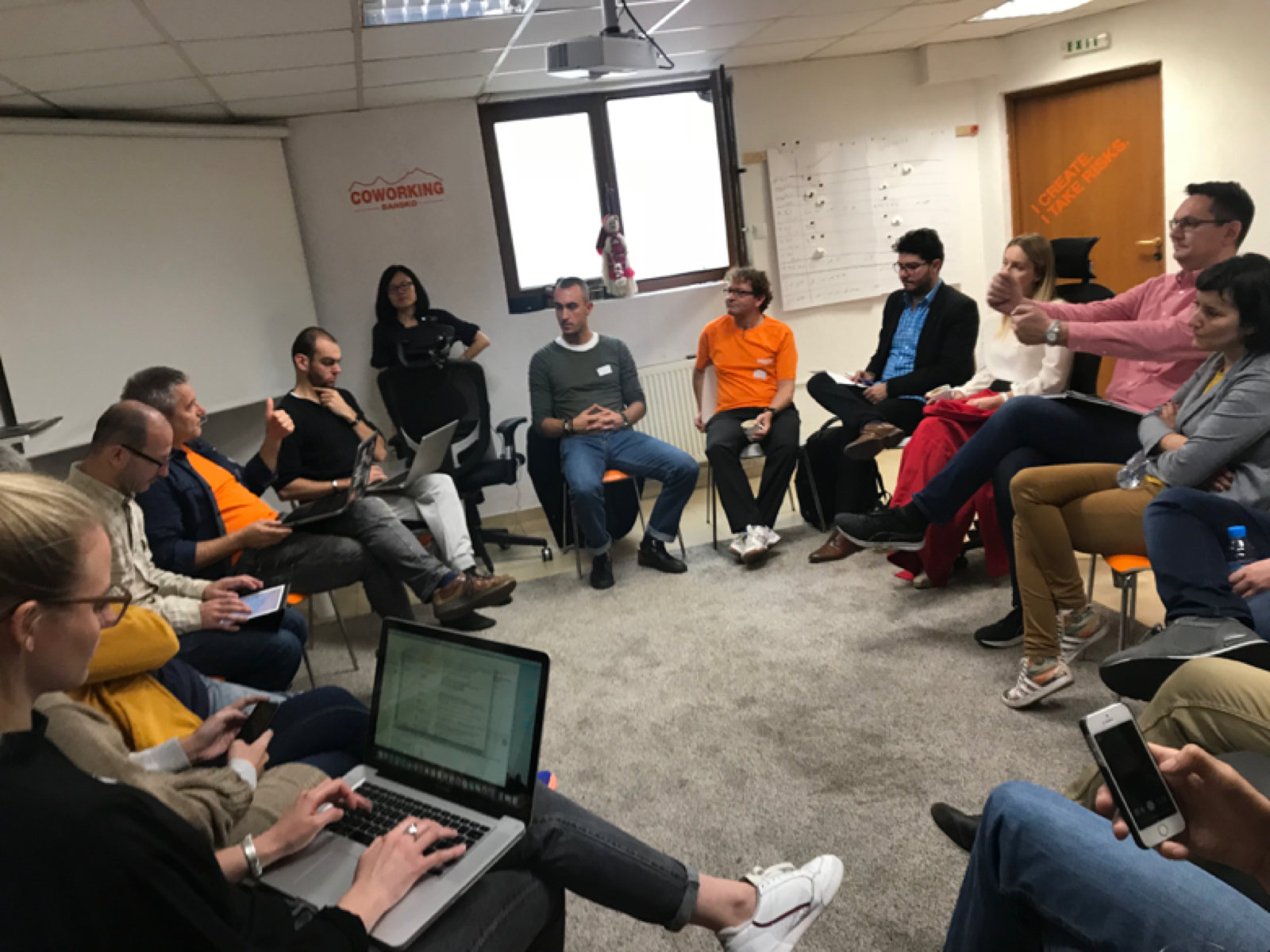
The 2018 call for a coworking alliance produced no Balkan federation that I could find; scale seems to have come through ownership consolidation instead.
5 Tips for Great Fresh-Start in a Coworking Space
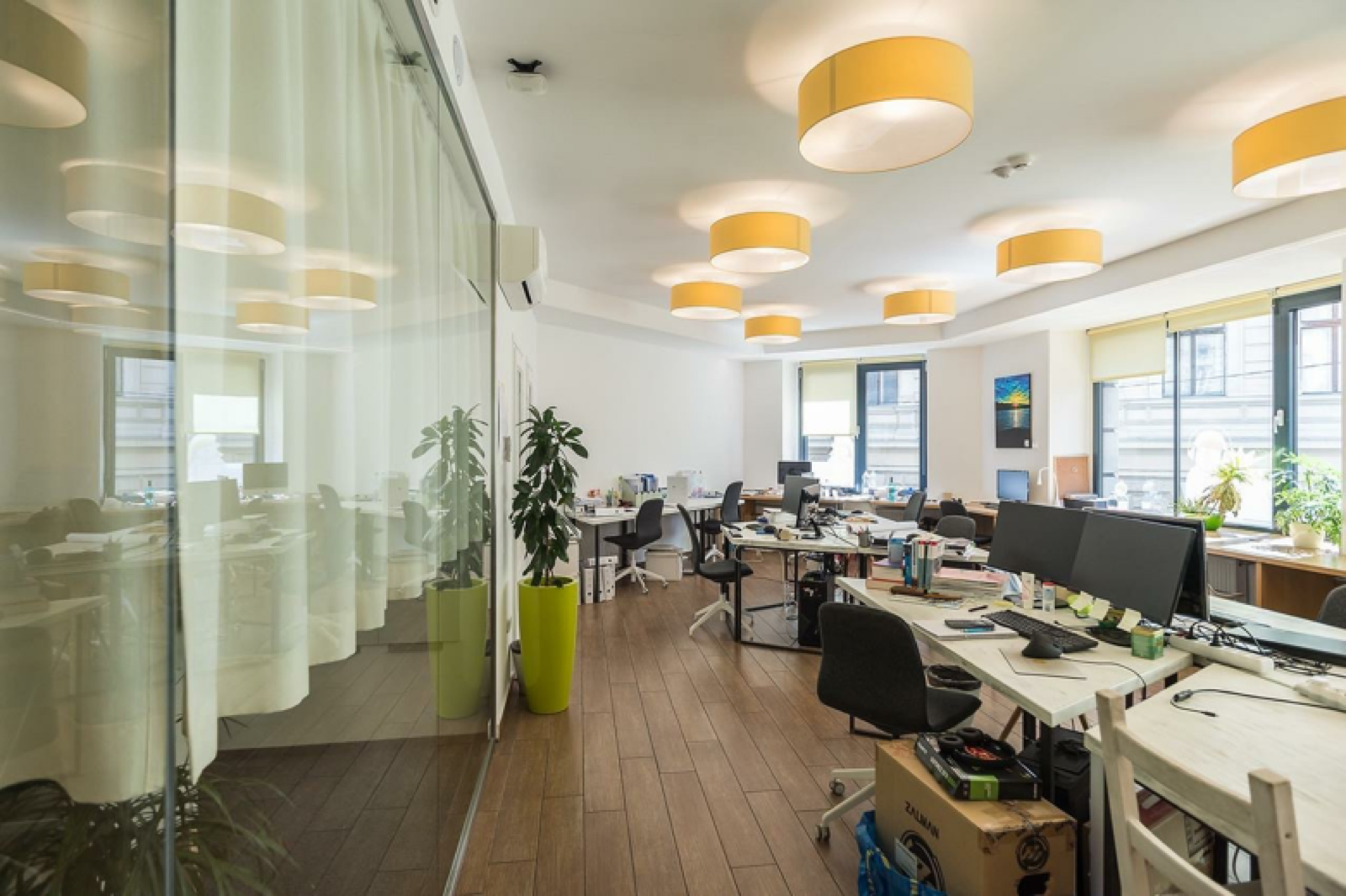
The guest author's space has outlasted the platform that published its tips: Kaptar is still open after 12+ years, while Cowork7x24 is offline.
Coworking Spaces In Rural Areas as Accelerators of Economy
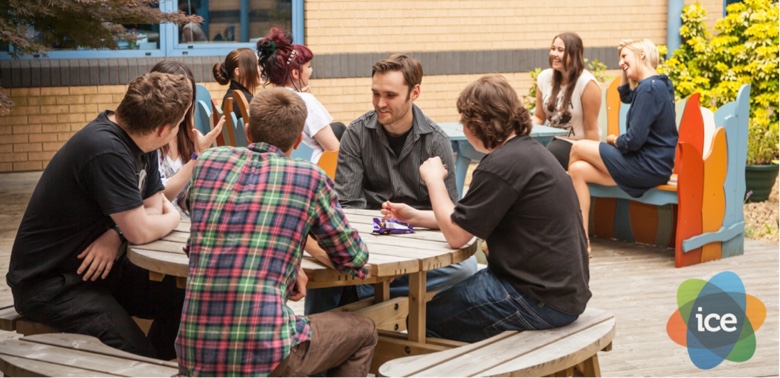
What Anita Fuzi argued for in 2018 (publicly backed rural coworking as enterprise policy) became national programmes after COVID: Ireland now has 400+ state-networked hubs.
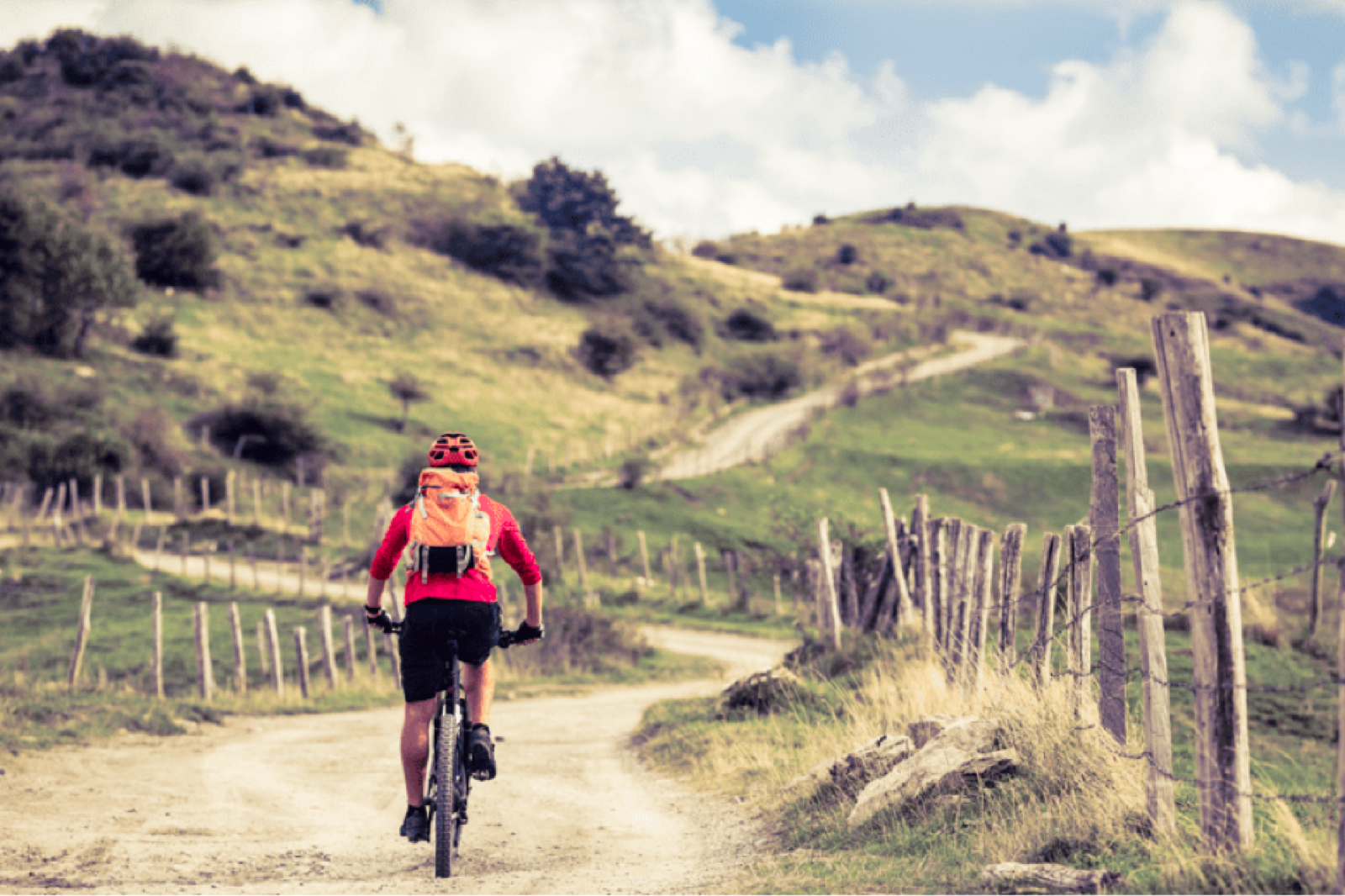
7 Best Advices for Location Independents
Remote Year, the "successful start-up" held up as the movement's flagship, shut down in December 2024, while the tiny rural Coconat retreat is still open and expanding.
How To Be A Good Communicator?
The interview's most specific claim, a HubSpot "magic number" of 10–15 blog posts a month, is a loose paraphrase: HubSpot's figure is 16+ posts a month for about 3.5x traffic, and it advises 6–8 a month for new blogs.
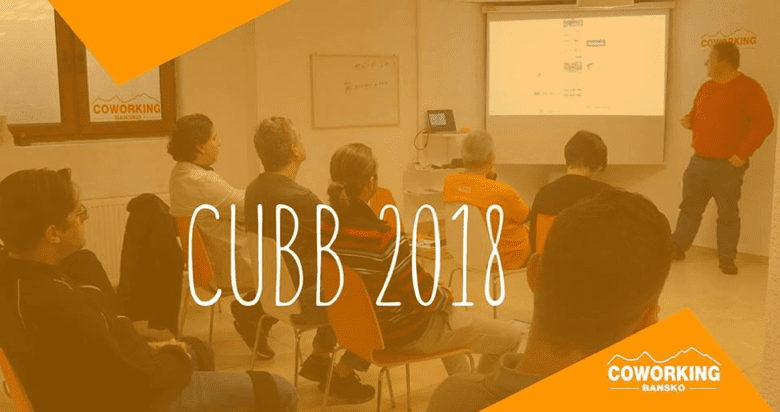
Why Attend a Coworking Unconference in Bansko
A 30-person, €75 coworking unconference in a Bulgarian ski village grew into Bansko Nomad Fest, with 800+ attendees in 2025.
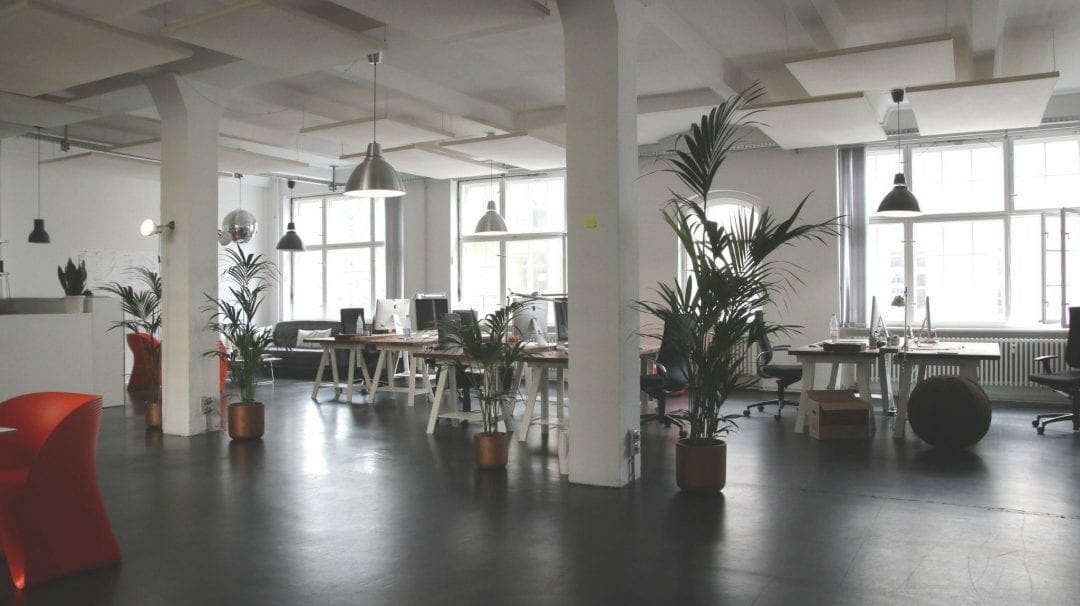
7 Trends That Will Rock Corporate Work Culture
"70% of desks are empty 60% of the time" was a 2018 argument for change, yet in October 2026 the average US office week was still only 56% as full as before the pandemic (Kastle 10-city barometer).
Top Romania Coworking Spaces (Part 1)
The smallest newcomer on the tour, aSpace (four months old, one site by the airport), grew into a seven-opening Bucharest chain, while Commons took its "grow further in Europe" plan to Morocco instead.
Inflight Wi-fi: How much does it cost?
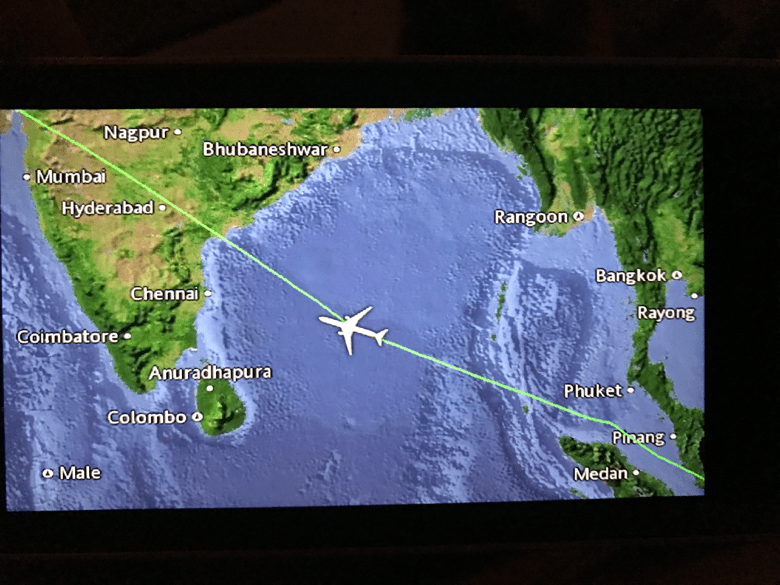
Serkan's 2018 bet that airline Wi-Fi would go the way of hotel Wi-Fi landed. Eight years later the three largest US airlines give it away free to loyalty members, and Emirates is rolling out free Starlink to every passenger.

Top coworking spaces to check in Luxembourg
Urban Office's 2018 bet on border-town coworking for commuters became government policy: by June 2026 Luxembourg's civil service ran 98 coworking workstations of its own.
Why I Bring The Donuts
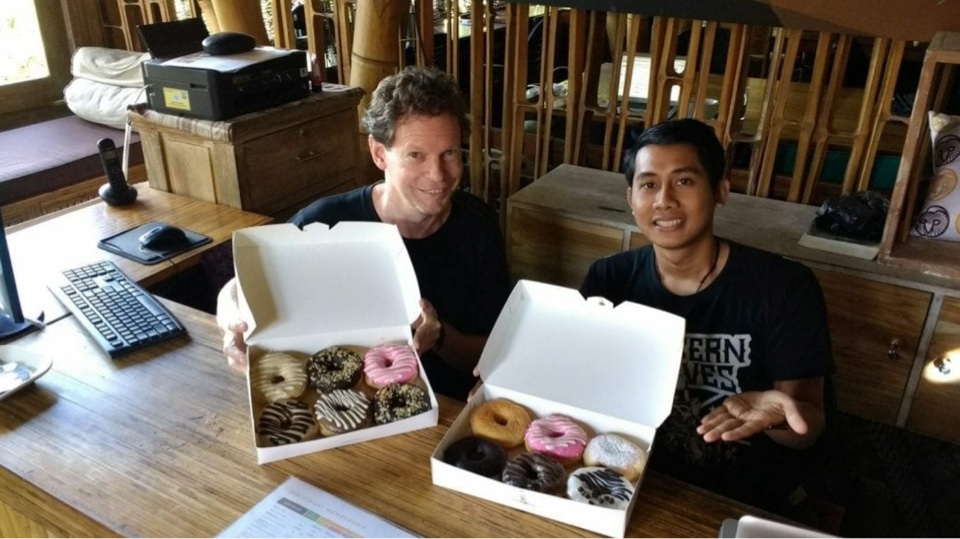
The small, bootstrapped community space (Indy Hall) outlasted both the "corporate behemoth" (WeWork went bankrupt) and the iconic Bali hub where the donuts were handed out.
A quick guide to Top Hungarian coworking spaces (Part 2)
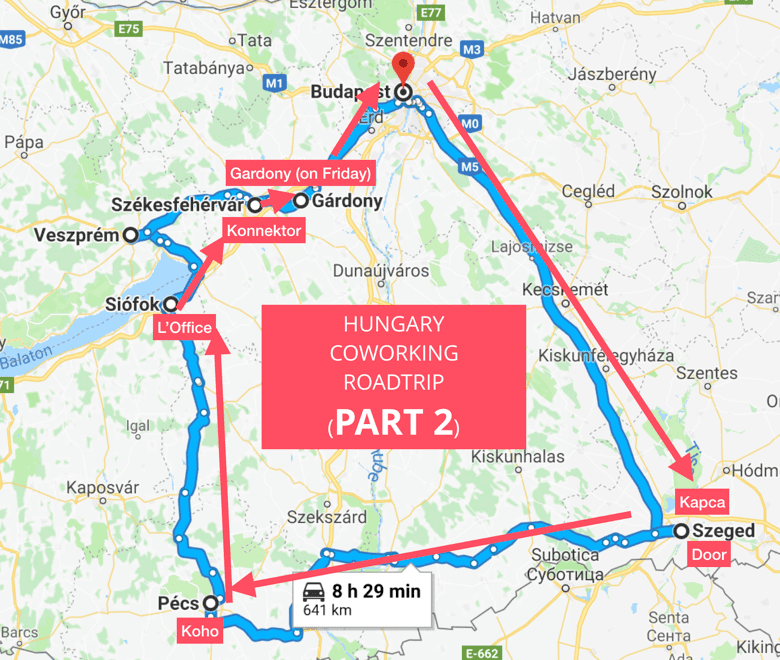
Of the two "very big" spaces predicted for Budapest, the state-backed Millenáris campus opened in July 2018 and about 20 months later announced it would end tenants' contracts, while Puzl arrived only in 2024.
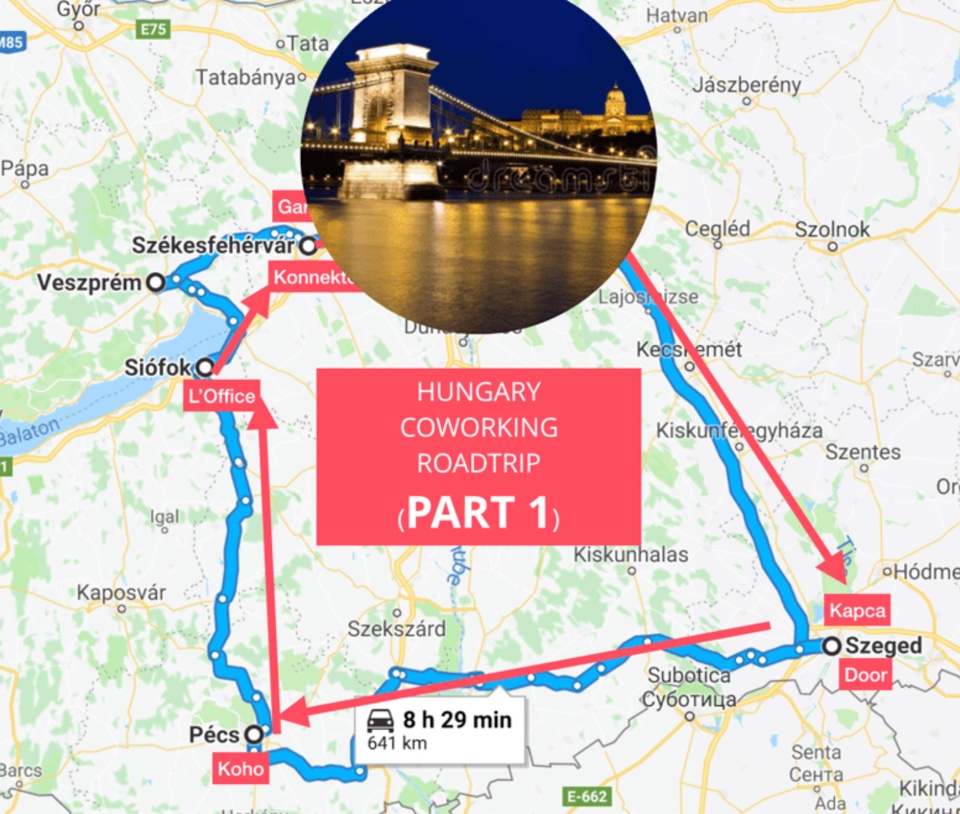
A quick guide to Top Hungary coworking spaces (Part 1)
Budapest's coworking pioneer shrank rather than grew: by its own account, by 2025 Loffice had leased its Salétrom building to Wolt, put its Déri office up for rent and moved coworking back to its 2009 Paulay Ede original.
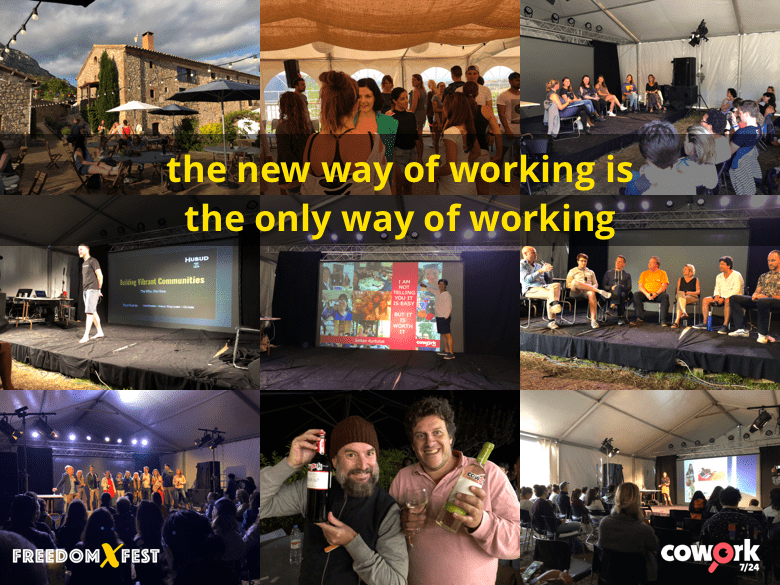
The New Way Of Working Is The Only Way Of Working
The nomad economy the post described went mainstream (18.5M Americans), but Remote Year, the flagship nomad company it hoped to partner with, closed in December 2024.
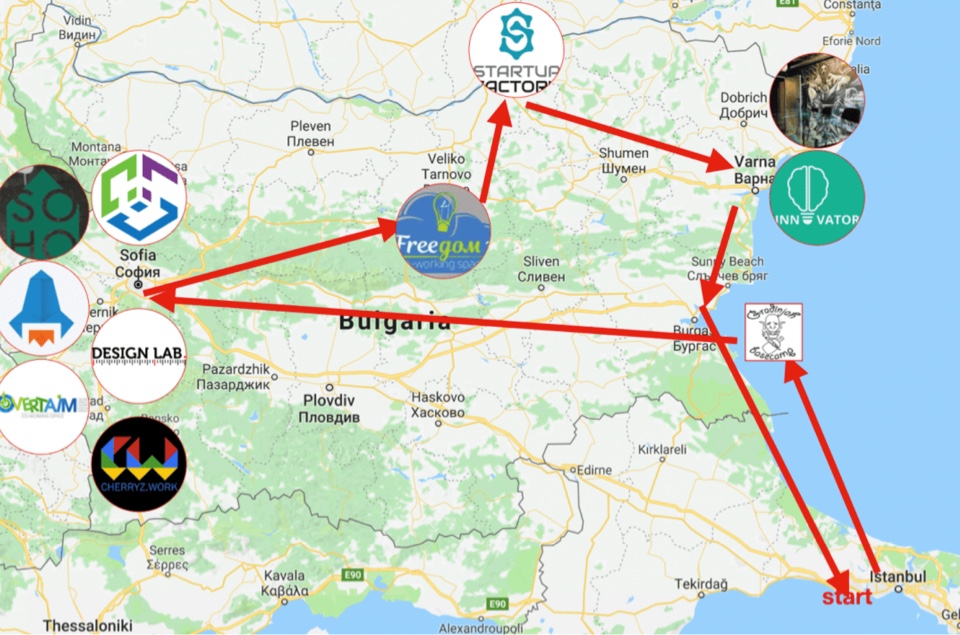
Top Coworking Spaces in Bulgaria
The post's signature tip, that Bulgaria is outside Schengen so your days there don't count, has been reversed twice over: Bulgaria joined Schengen in 2024–25 and the euro in 2026.
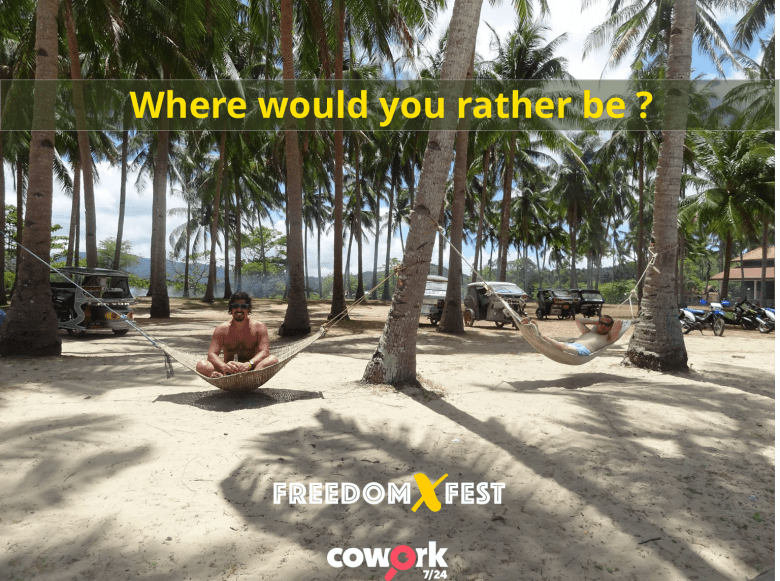
Cowork7/24 Goes To FreedomXFest
The festival that billed itself as the gathering of the location-independent movement went online in April 2020, the very month the world went remote, and has not been found since.
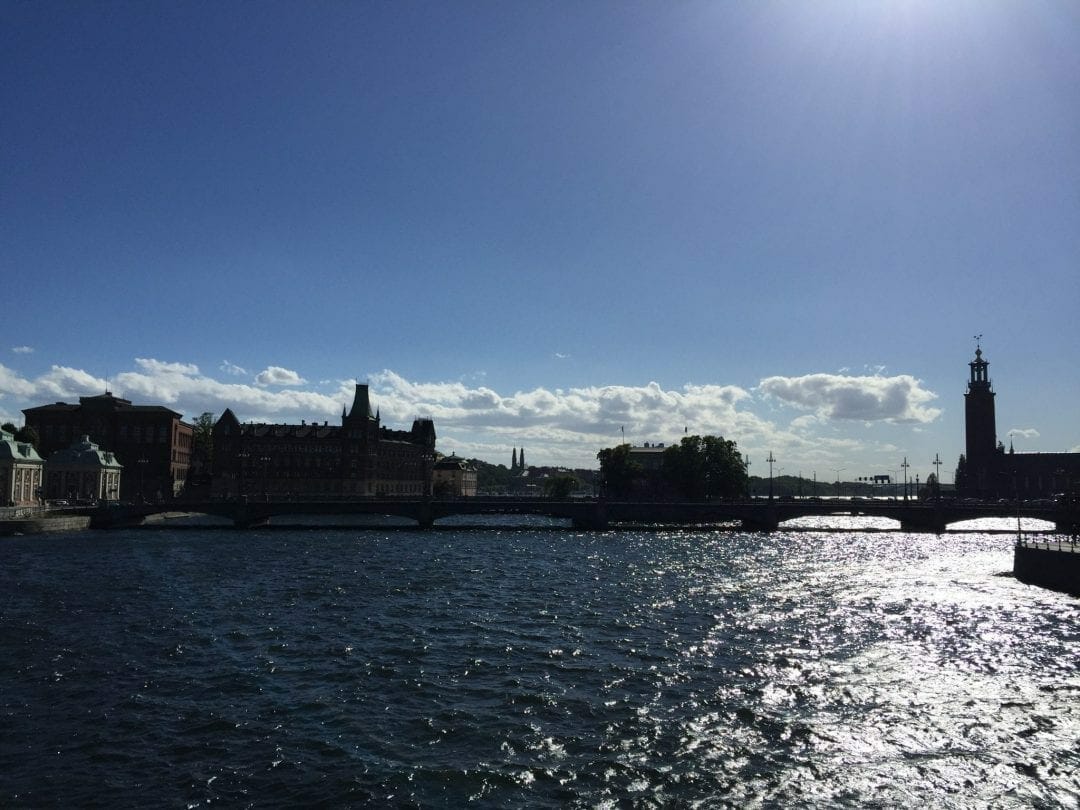
Inside Stockholm’s Embassy House
The gaming-and-VR niche space survived by dropping the niche; today's homepage sells generic "innovation, creativity and community" and has added a site in Lund.
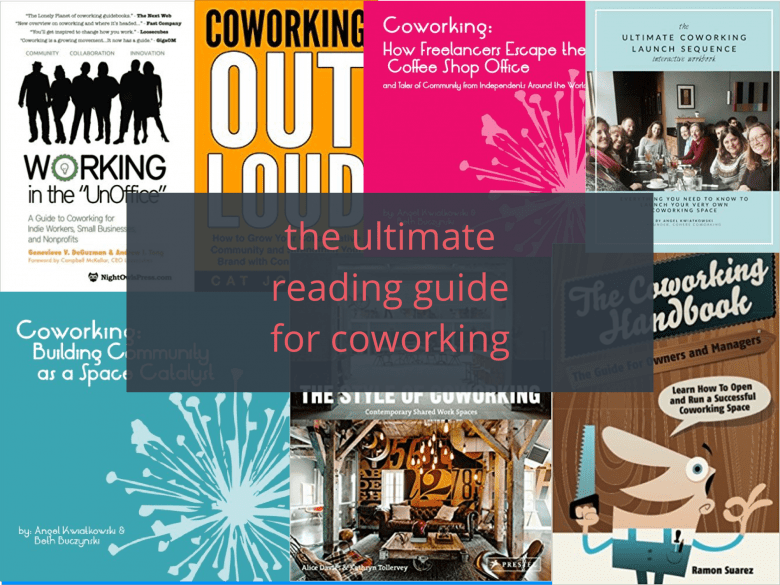
Recommended Books for Coworking
The "3.8 million coworkers by 2020" forecast was, on derived estimates, missed by roughly half in 2020 because of COVID, then overshot to an estimated 5.5–6 million by 2025.
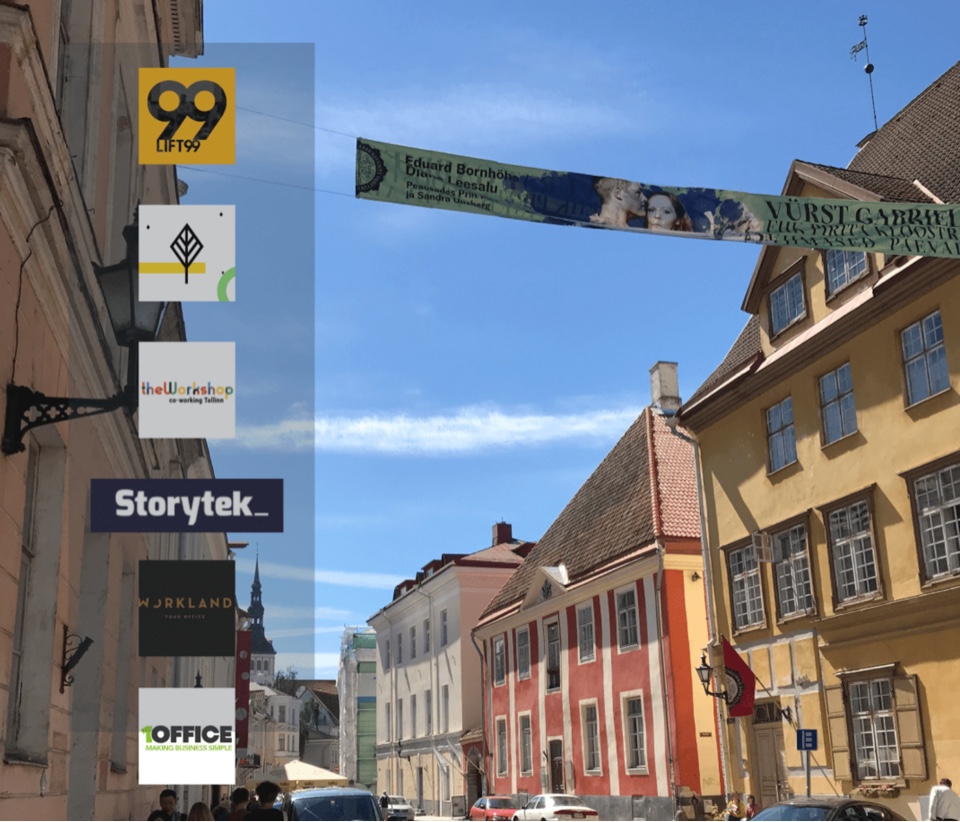
A quick guide to Tallinn coworking spaces
e-Residency, which the author had signed up for and then missed collecting the card, now counts 144,000+ e-residents who have founded 44,000+ Estonian companies.
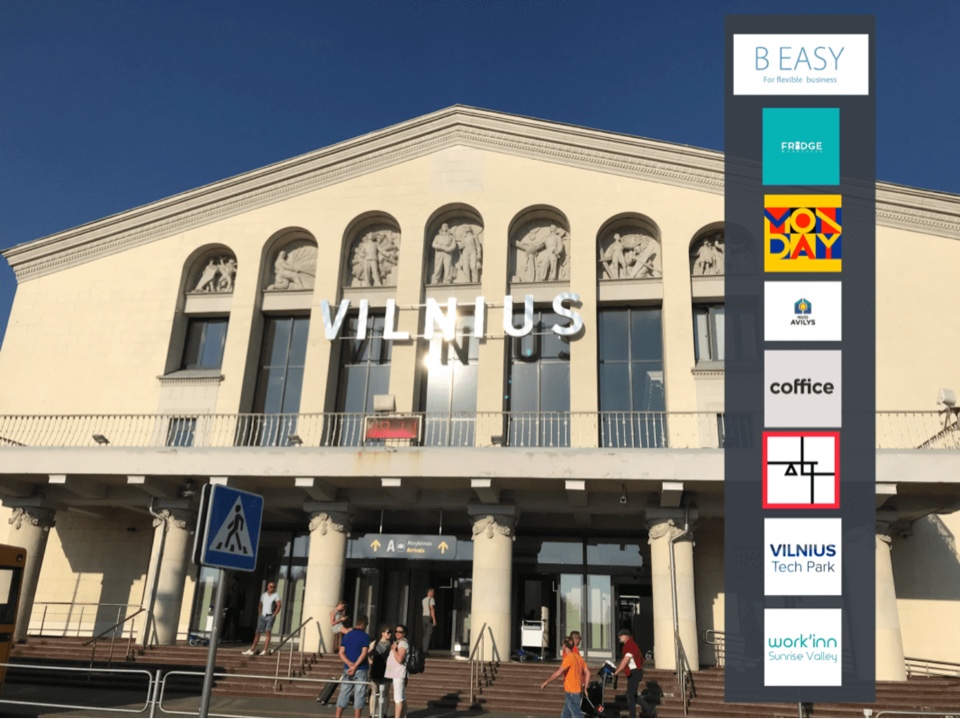
A quick guide to Vilnius coworking spaces
The "9,000 m² biggest tech hub in CEE" became one node in Tech Zity, which is now building a 55,000 m² campus it calls the largest of its kind in Europe.
A guide to Bratislava coworking spaces
Dvojbodka, the smallest and oldest space on the list, is still the same 12 desks at the same address eight years on, while the "beautifully designed" 0100 Campus stopped selling desks and became a hackathon consultancy.

Eco-Friendly Coworking Spaces!
Second Home Lisbon's 1,000-plant market hall, held up as Europe's greenest coworking space in 2018, is still open eight years later.
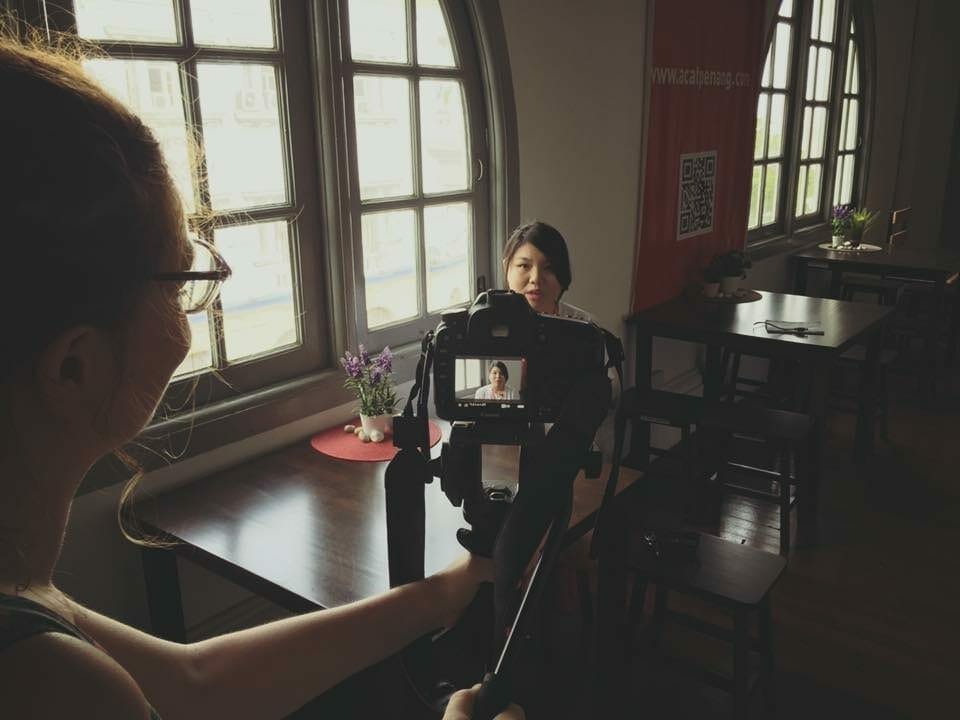
Beyond the Camera with Filmmaker Grace
Taiwan, where the nomad in this profile was heading, now has a formal digital-nomad visa.
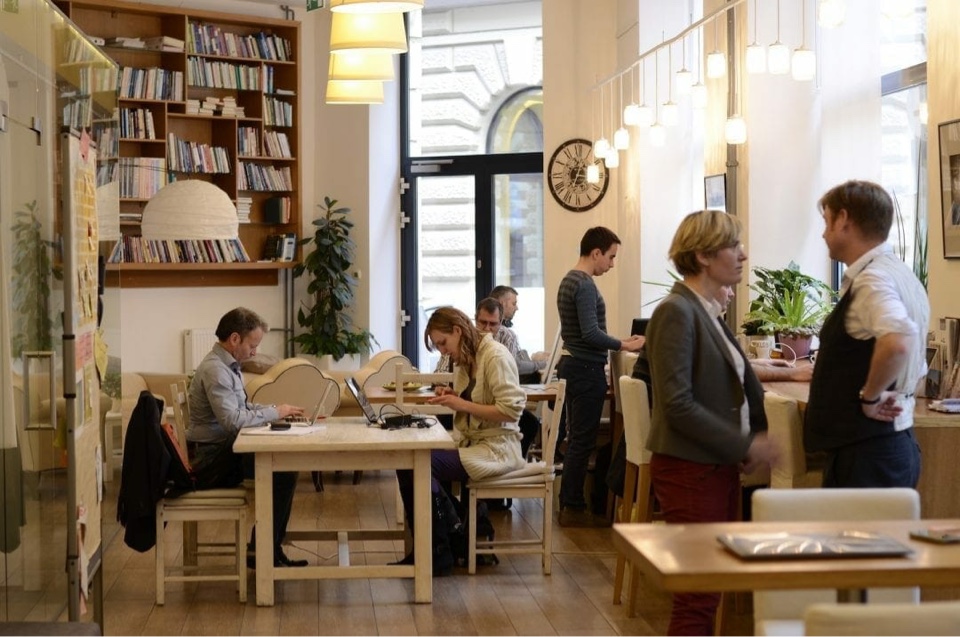
How An Open Mind Will Help Your Company Win
Both small businesses in this 2018 story, a 2003 travel agency and a Budapest coworking space, are still going in 2026, and Kaptár is expanding.

Storytelling 101 - Building a Business Narrative
The post's showcase SaaS, humans writing personalised cold emails at scale, arguably describes much of what AI sales tools now do automatically.
How To Benefit Most From Coworking
Every venue the author named is still operating eight years on, except the app the post was promoting.

Incubators, coworking spaces, and accelerators: what's what?
Techstars, the archetypal accelerator the post describes, closed programmes in Seattle, Boulder and Lagos in 2024 to concentrate on four VC hubs.
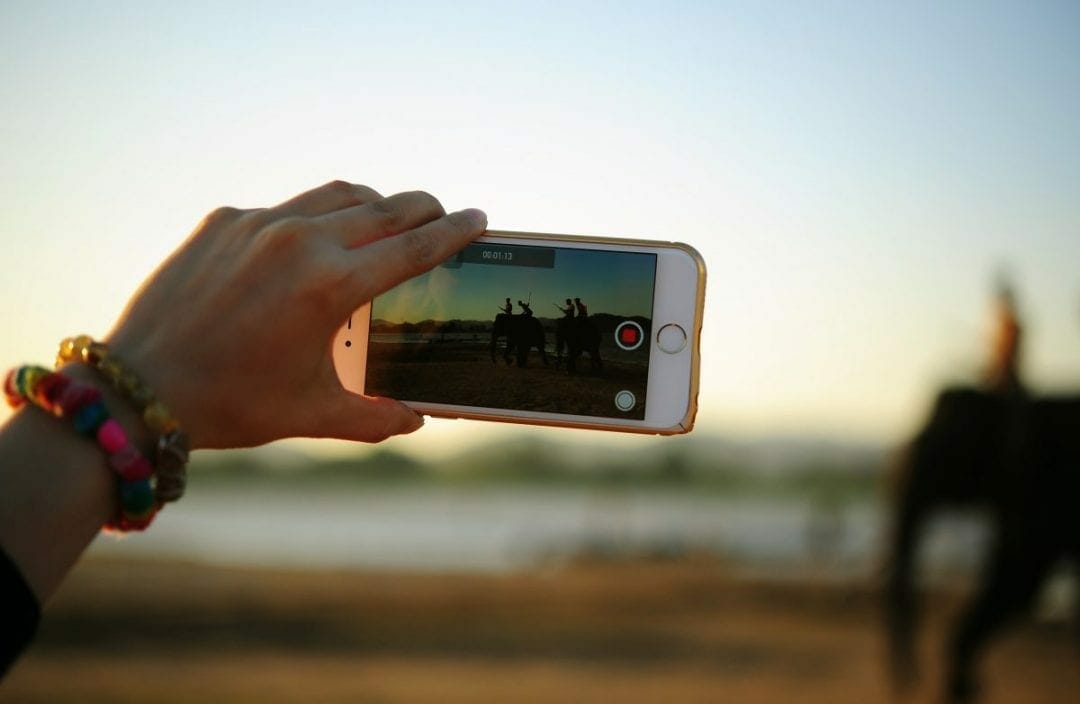
My Week Of Daily Live Videos
Facebook's 2018 video push rested partly on metrics it later paid $40M to settle over, and since 2025 Facebook deletes Live replays after 30 days.

Where To Find Your First Big Freelance Client
The "your network beats marketplaces" advice matters more in 2026, now that AI has thinned out exactly the short marketplace gigs the post calls a starting point.

Benefits Of Working Remotely: Worldwide Worker
A lifestyle that needed "guts" and grey-zone tourist visas in 2018 is now served by dedicated nomad visas in dozens of countries.
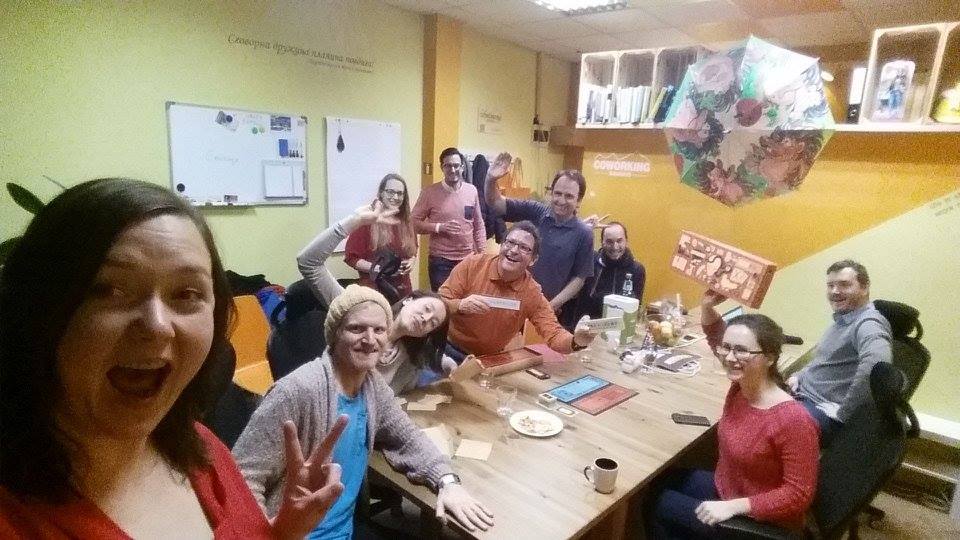
Organizing Successful Events At Your Coworking Space
The one-year-old space's weekend unconferences grew into Europe's biggest nomad festival, with more than 700 tickets sold.

3 Tips To Manage A Remote Team
One of the tools it recommended, HackPad, had been shut down eight months before the post was published, and HipChat followed within a year.
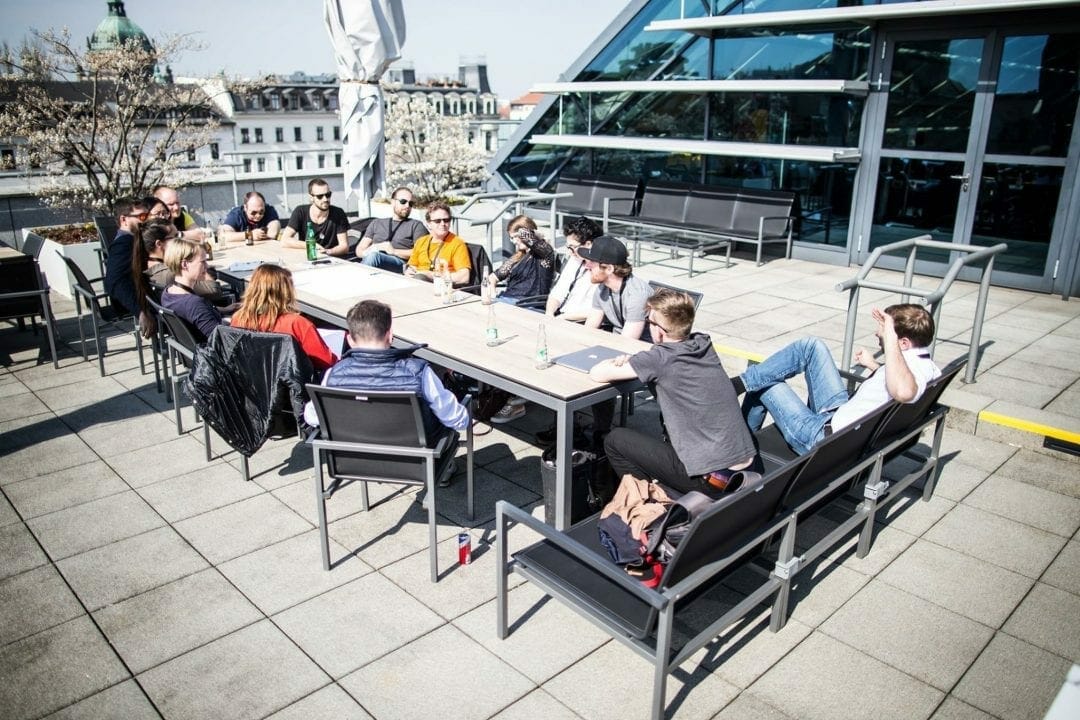
The Best Places To Find Ideal Clients for Freelancers
All four marketplaces the post named survived to 2026, but Upwork has reportedly replaced its predictable fee with a per-contract rate anywhere from 0% to 15%.

How To Use LinkedIn as a Digital Nomad
The post's key tactic, a personalised note on every connection request, is now capped at a handful per month for free users, according to third-party tool vendors, so the "you don't need Premium" promise no longer holds.

The Way We Work - Past, Present & Future
The famous "40% by 2020" figure came close only on Upwork's broadest survey definition (a reported 36%), while on the BLS definition the share was 7.4% in 2023.
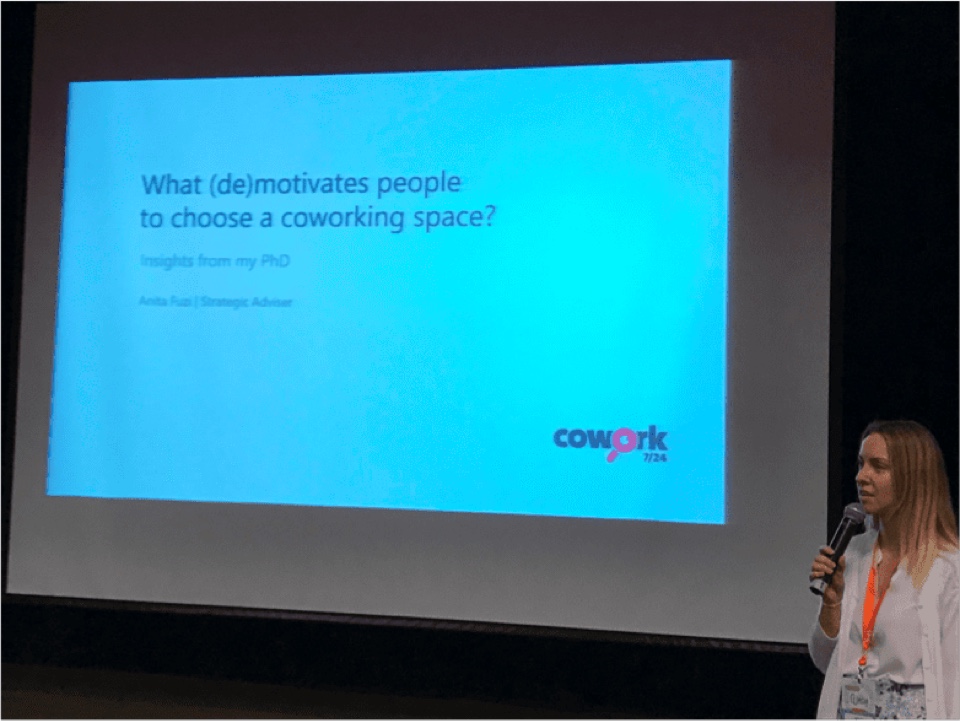
A CUAsia Inspired Self-Reflection Exercise
The 62% "physical environment first" finding from the post's own 2013–16 research arguably still stands as a useful corrective to "it's all about community".
Opening a coworking space? Ask yourself these 4 questions!
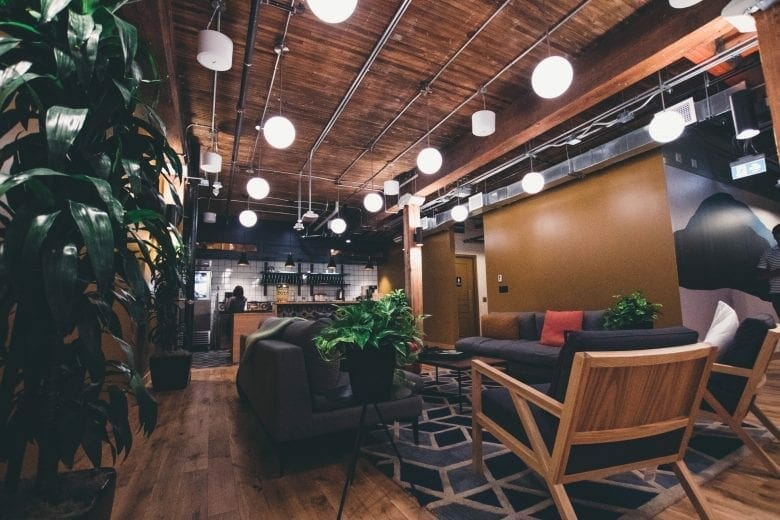
"50% are just not profitable" in 2018 has become 54% profitable in 2025, but in small towns only one space in five makes money.
How Collaboration Is Transforming Coworking
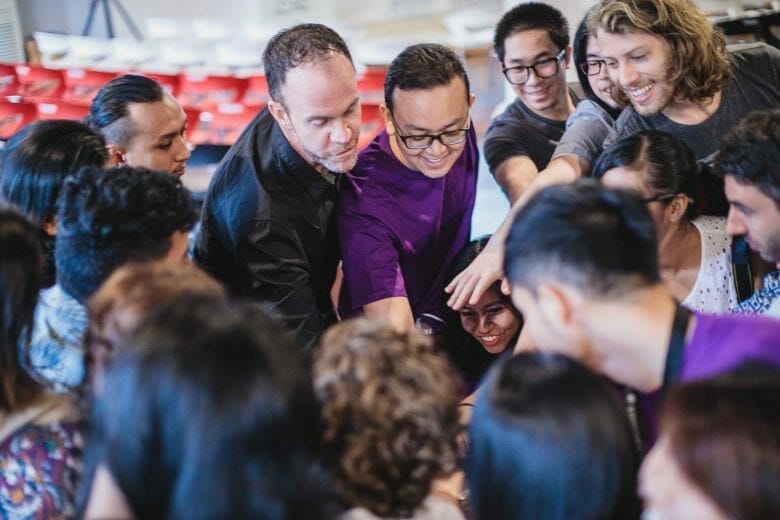
The prediction that coworking apps would consolidate came true, but through one property-software giant: Yardi now owns WeWork's majority, CoworkingCafe, Deskpass and Hubble.

7 Myths About Productivity That Keep You From Growing
In our reading, the post's anti-hustle, find-your-own-rhythm line has aged better than the "5 AM club" advice it was arguing against.
The Whole is Greater Than the Sum of Its Parts
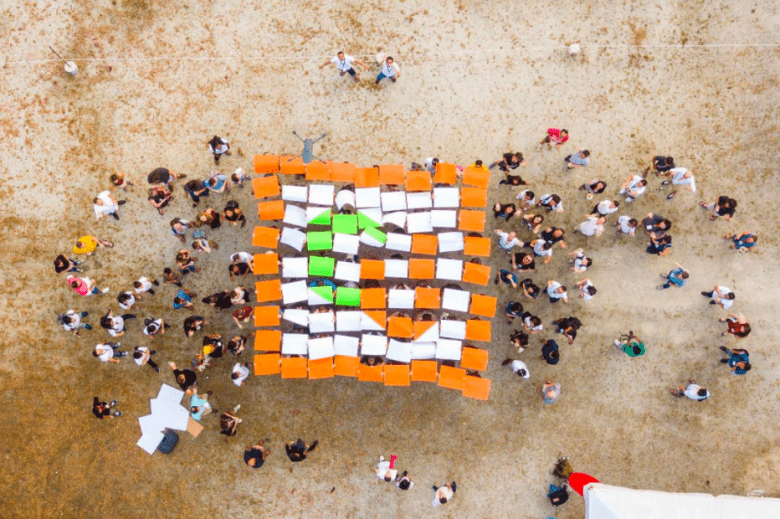
The Asian unconference that inspired the piece has held no full edition since Bali 2020, only co-hosting a 2024 nomad summit in Fukuoka, while the European one it was compared with is heading into its Paris 2026 edition.

The Future Of Freelancing: The Next 10 Years
Eight years into a "next 10 years" forecast of up to half the US workforce freelancing, the broad share has moved only from 36% to 38% (2023), and the EU self-employed share is lower than the post's 16.1%.

Remote Year: 12 Months of Adventure and Inspiration
Remote Year arrived early for the remote-work boom, then was sold and shut, ending in Dec 2024 just as working from anywhere had become normal.

A Guide To Hiring Your First Virtual Assistant
Eight years on, a general Filipino VA still costs about the post's "€5/hour", but the ones who can drive AI tools reportedly charge two to four times that, according to one staffing agency.

6 Tips To Find Your Accountability Partner
In our reading, nothing in it has dated, which makes it one of the few posts in the batch that would read the same in 2026.

Freelance Writing Jobs: 9 Free Sites To Find Them
The post's premise that writers were in demand ran straight into ChatGPT: within eight months, job posts for writing and coding work fell 21% relative to manual work, according to an Imperial/HBS/DIW study.

Why You Should Attend Digital Nomad Retreats
The retreat company behind the post is still in business, but it now sells breathwork and cacao ceremonies in rural France rather than digital-nomad networking.
Get Ready For CU Asia!
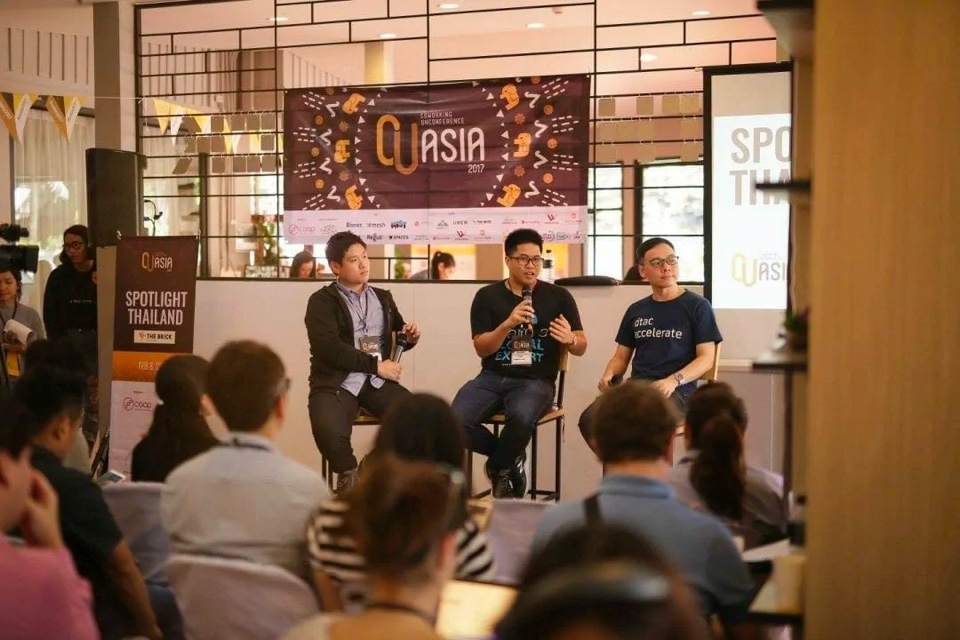
"One of the biggest yearly coworking events in the world" held its last full edition in Bali in March 2020, and its host space never reopened after COVID.
Investment for Start-ups, Explained
The post's bootstrapping poster child, MailChimp, later sold for $12bn without ever raising outside money, while two of its other examples had already gone bust before it was published.

Improve Your Copywriting Writing Skills
Nearly all the swipe-file sites survive; what changed is who writes the first draft.

Reclaiming Your Time As A Remote Worker
The 2018 promise that remote work cuts stress has not held up: Gallup finds fully remote workers lonelier than on-site staff and no less stressed (41% report daily stress in 2025, against 39–46% for other groups).
Going Freelancer: The Right Time Is Now
The encouragement holds up, but in 2026 the first question is arguably whether AI is eating your chosen skill.

5 Tips To Learn A New Language
The app the author picked for its huge user-made course library pushed that library out of the app, while AI conversation partners now fill the "speak to natives" step.

Finding A Community & Founding WiFly Nomads
The founder's Bali retreat business survived COVID by becoming an online remote-job course, while Dojo Bali, the space she praised, closed in 2022.
My Takes From Coworking Europe 2017
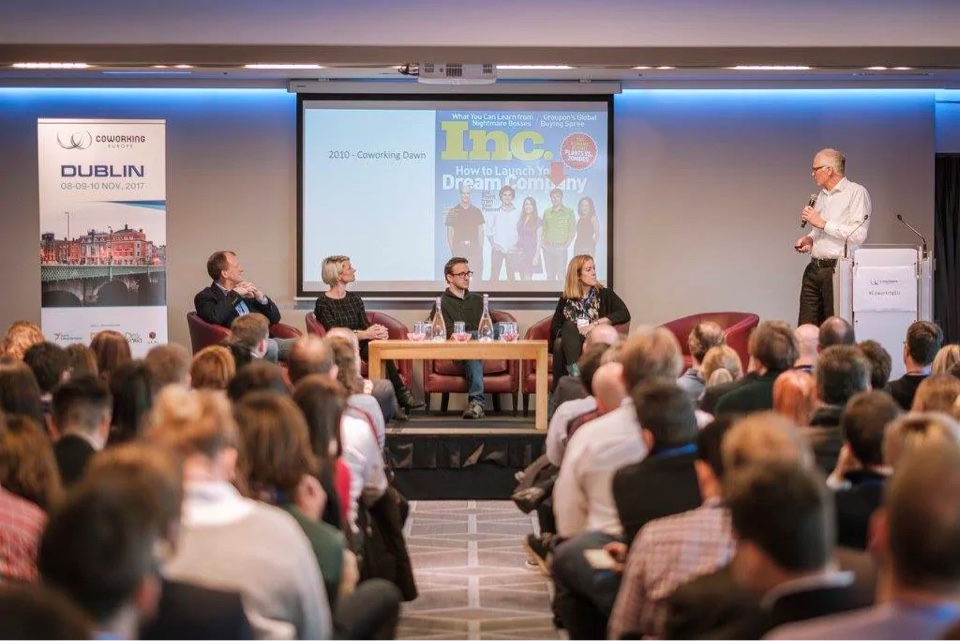
The conference has become a travelling fixture, reaching Sofia in 2024 and Paris in 2026, and its "work is an activity, not a place" thesis became ordinary office policy after 2020.

How to Market Yourself as a New Freelancer – with Zero Experience
The post's offline, trust-based tactics (people who know you, coworking, events) have arguably held up better than its online ones, which gen-AI and AI search have undercut.

New Year’s Resolutions for Entrepreneurs
The advice to stop agonising over Twitter now applies to a platform that no longer carries the name.
Marketing for App Developers
Of the four bonus tools, Rapportive was already dead-in-waiting when the post went live, and Hotjar no longer exists as a brand.
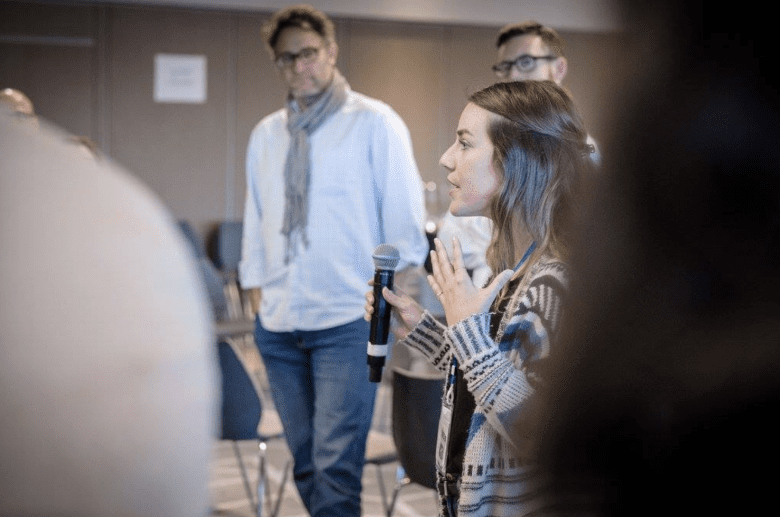
My First Coworking UnConference
The warning about hotels was right: Accor put Wojo coworking inside its hotels in 2018, and the hostel chain Selina bought Remote Year in 2020.

Succeeding as a Startup? Make Them Love You!
The "SCL" concept the post introduced, misspelled, became a standard counter-framework to the MVP, spelled SLC.
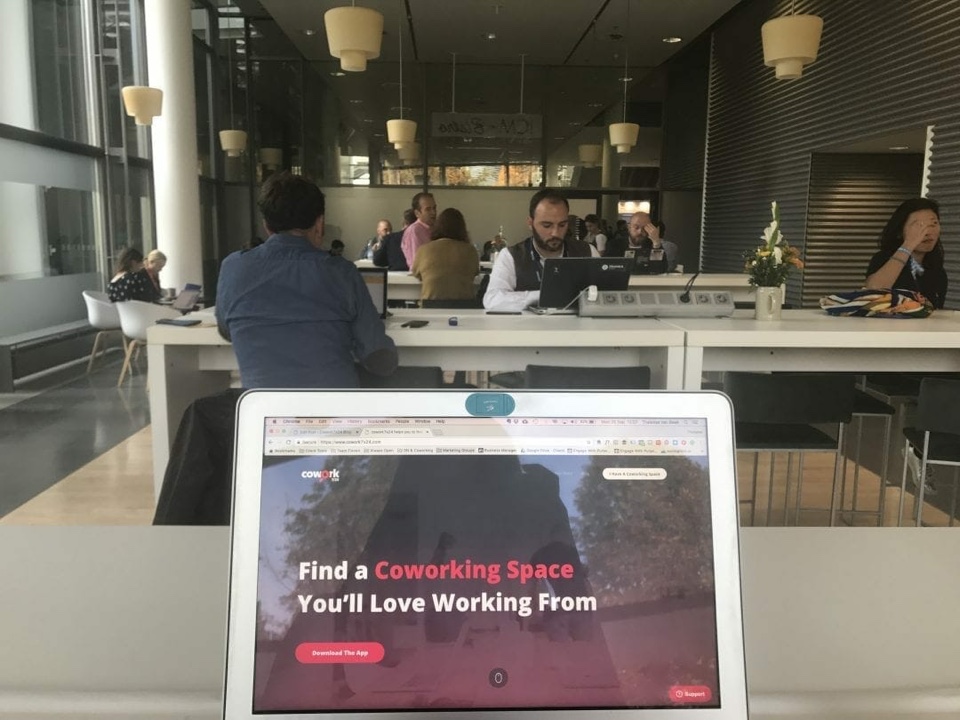
Coworker Column: Live from Bits & Pretzels
The 2017 "Matchmaking Wall" has grown into a fully curated attendee list with hosted tables, which confirms the post's point that events are for connections.

5 Best Tips to Find a Co-Founder
The coworking-born startup in the case study is still alive nine years later, but founders now look for co-founders on online matching platforms rather than by chance in a coworking space.
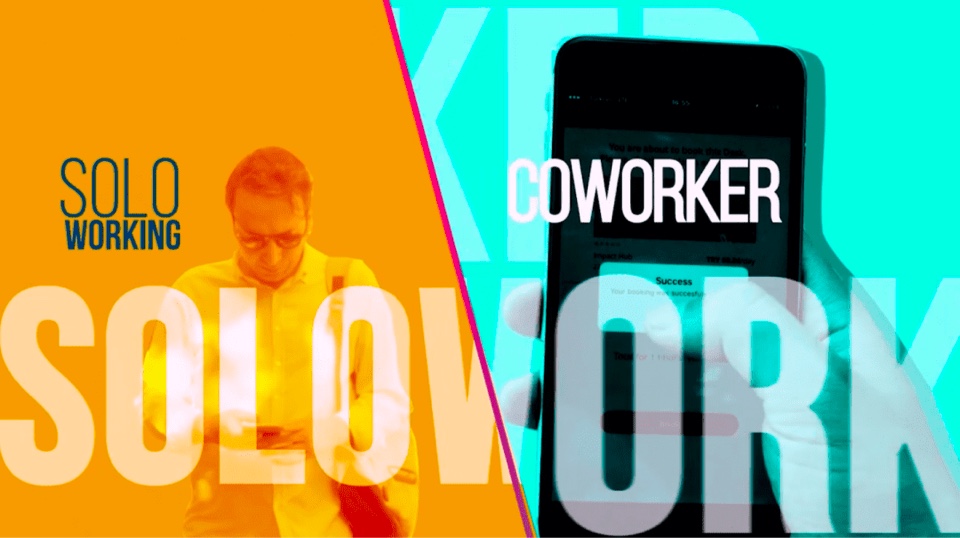
Soloworking vs. Coworking
A post written for a niche of freelancers now speaks to about a quarter of all US workdays, which are worked from home.
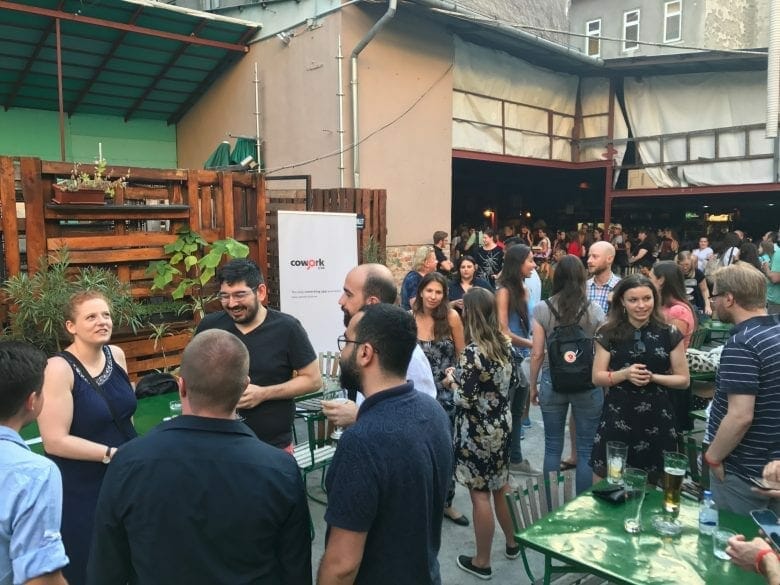
Networking as an Event Volunteer
The sharing-economy festival quoted as the model ended itself, while the coworking trade conference is still running every year.

How To Attract Digital Nomads To Your Coworking Space
A "hot topic" in 2017 became state policy: more than 70 countries now issue nomad visas, and the US alone counts 18.5 million nomads.
Realizing Your Dreams as a Freelancer
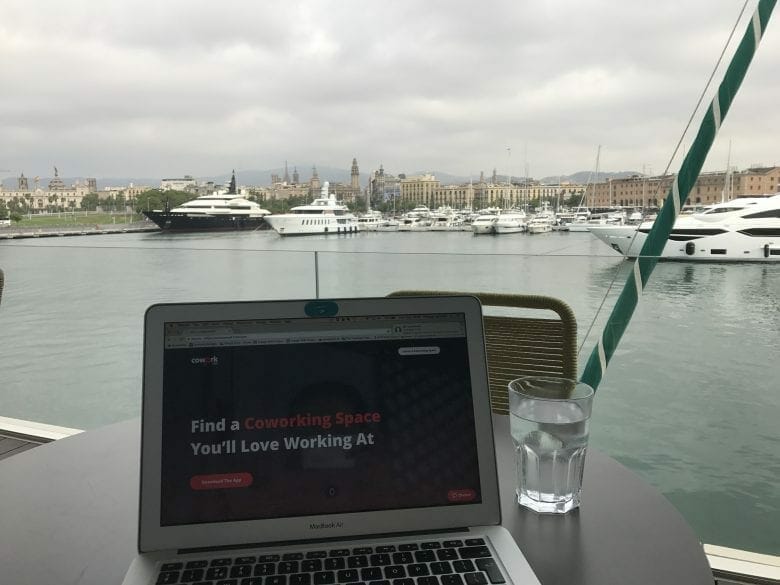
What the author had to improvise in 2017 is now a named visa product in Spain.
Bucharest Confirms that Every Coworking Space is Unique
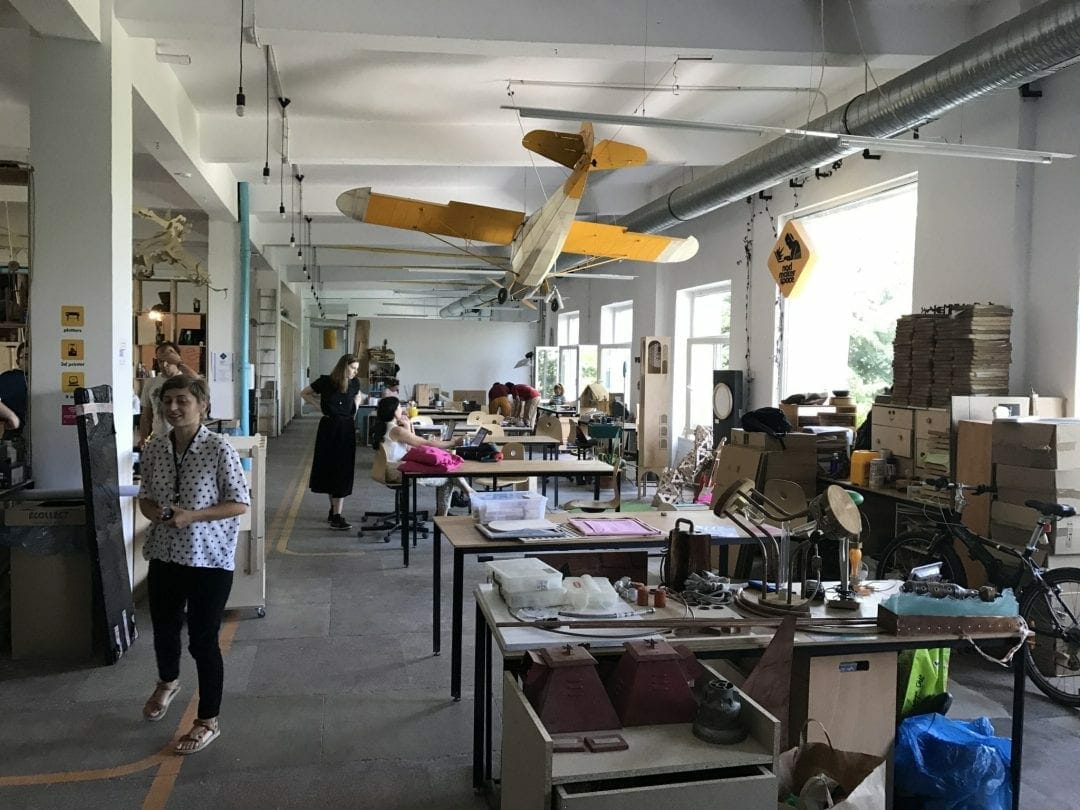
Seneca's hourly price roughly tripled, from 8 lei to 20–25 lei, and WeLoveDigital dropped drop-ins for a €250 monthly-minimum model. The "book a desk for a day" market the post served has shrunk even at the spaces that survived.
4 Productivity Tips for Freelancers
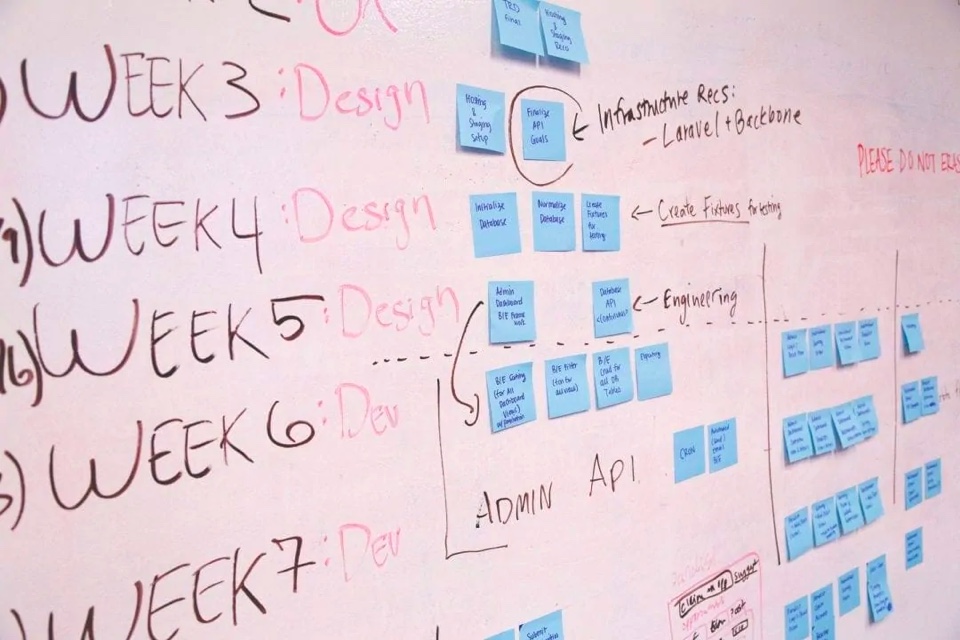
Within four months, two of the post's three "top performer" role models were disgraced, and Google later killed the tracking feature it recommended.

#1 Mistake Entrepreneurs Make When Pitching Media
The example the post picked outlived the post. REI's "one-off" Black Friday closure became permanent and reached its 10th year in 2025.
Column: The Joy of Being Location Independent
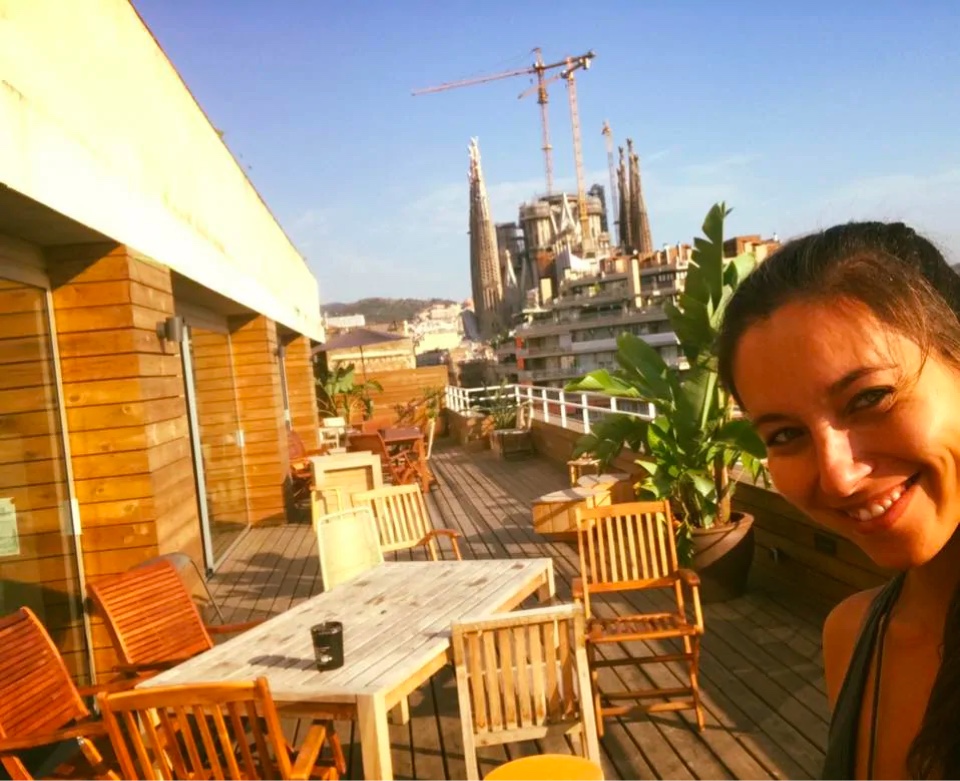
The Barcelona trend the author spotted in 2017 was later formalised: Spain now runs its own digital-nomad visa.
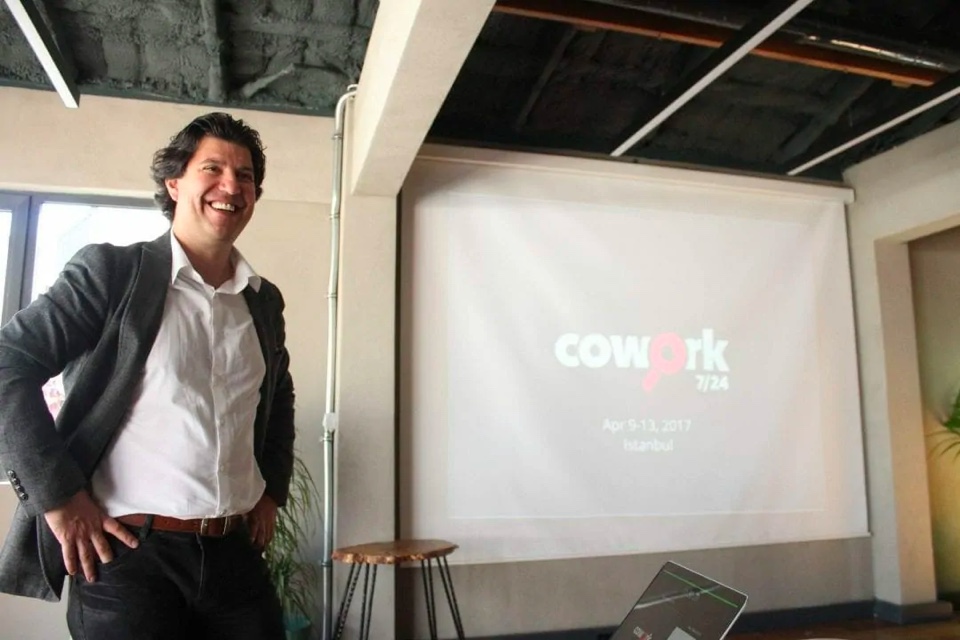
The Evolving Face of the Coworking Community
The 2017 hunch about "smaller but more distributed" branches is now IWG's core strategy: in 2025 it opened more locations than it had open after its first fifteen years, mostly in suburbs and towns.
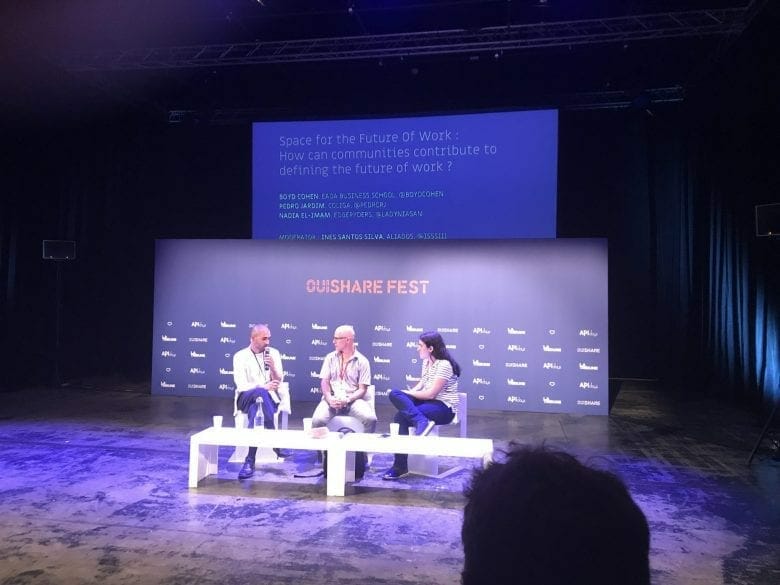
OuiShareFest Paris - The Afterthoughts
Ouishare, the flagship of the 2010s sharing-economy movement, held its last festival in 2021 and dissolved itself in April 2024.
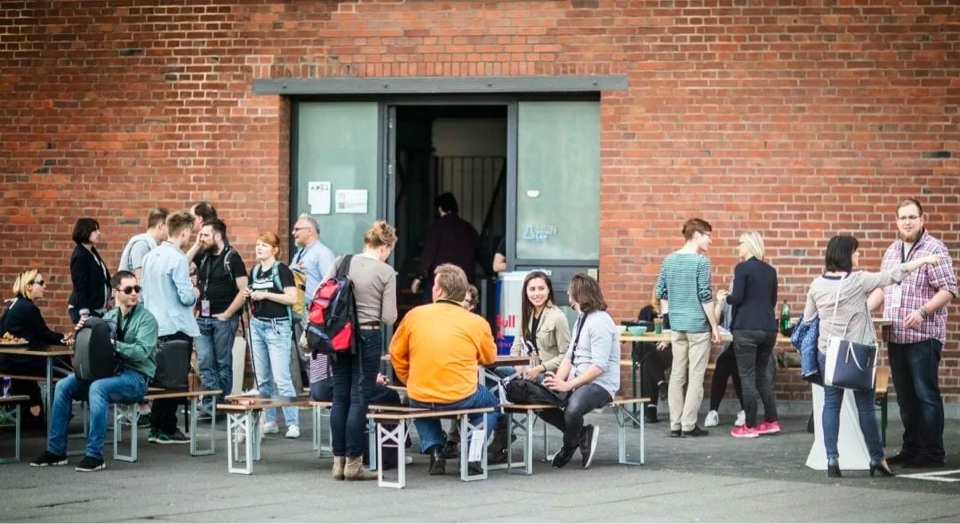
Takeaways from Germany Coworking Conference
The small German barcamp Cowork7x24 covered in 2017 has run for twelve years and arguably outlived most of the bigger names in this batch.