Then → Now · 2026
The small German barcamp Cowork7x24 covered in 2017 has run for twelve years and arguably outlived most of the bigger names in this batch.
What it said (2017) ↓
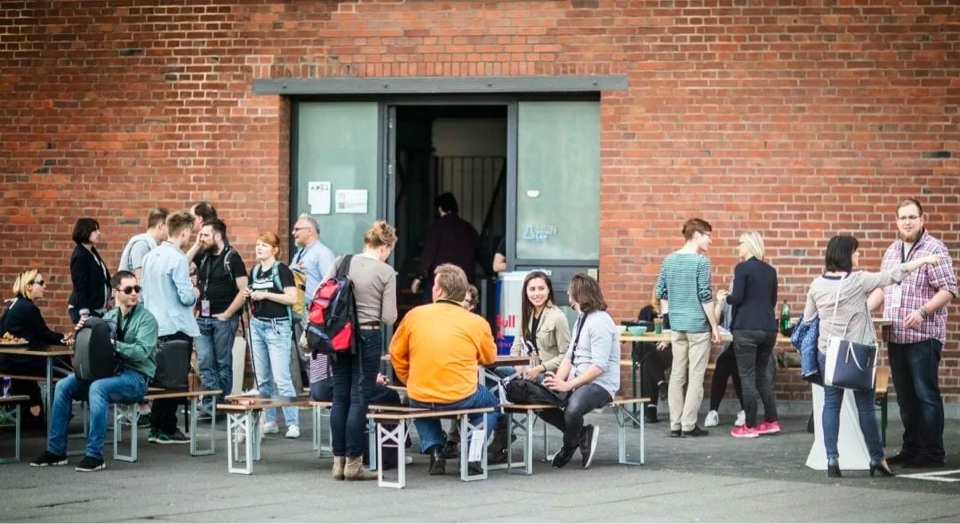
COWORK 2017 in Leipzig, organised by the German Coworking Federation in official partnership with the City of Leipzig; "Leipzig seems to become the new Berlin".
"Coworking is good for cities"; spaces, cities and universities should collaborate.
What happened (2026) ↓
COWORK has been held annually since 2014 (the 2020 edition is listed by the federation without details): Bremen 2018, Mannheim 2019, Solingen/Wuppertal 2023, Karlsruhe 2024, Berlin-Tegel 2025, and Düsseldorf-Kaiserswerth on 23–25 April 2026.
The German Coworking Federation (GCF) is still active and published a fee schedule in 2025 source.
Verdict · Held up: 8 / 10 · Full 2026 update
- Demand for flexibility would grow, and flexible spaces would succeed in the long run.Came true
- COWORK 2017 in Leipzig, organised by the German Coworking Federation, would carry on as a lasting event.Came true
- Face-to-face networking mattered, and coworking spaces, cities and universities should collaborate.Still valid evergreen
- Leipzig was becoming the new Berlin, and corporates did not really get coworking.Unverified
Original post · 4 June 2017
The city of Leipzig seems to become the new Berlin. With its old city center made up of cobblestones and ornate buildings, the city has recently seen an increase in the amount of artists, startups and other creatives who are looking for inspiring surroundings. No wonder that the German Coworking Federation chose Leipzig as the perfect location for Cowork 2017, the conference for all the scene’s players from Germany, Austria, Switzerland and beyond. We were there, and this is what we learned.Coworking is good for cities
We were surprised to see that the event partnered officially with The City of Leipzig. Why would a city as a whole be interested in coworking? But if you think about it, it makes sense. Coworking goes way beyond offering a desk and more and more, spaces offer all sorts of help and encouragement, whether it’s with dedicated workshops, network events or high-tech tools availability. The possibilities that arise with those activities attract startups, innovations and jobs - all beneficial to cities in general.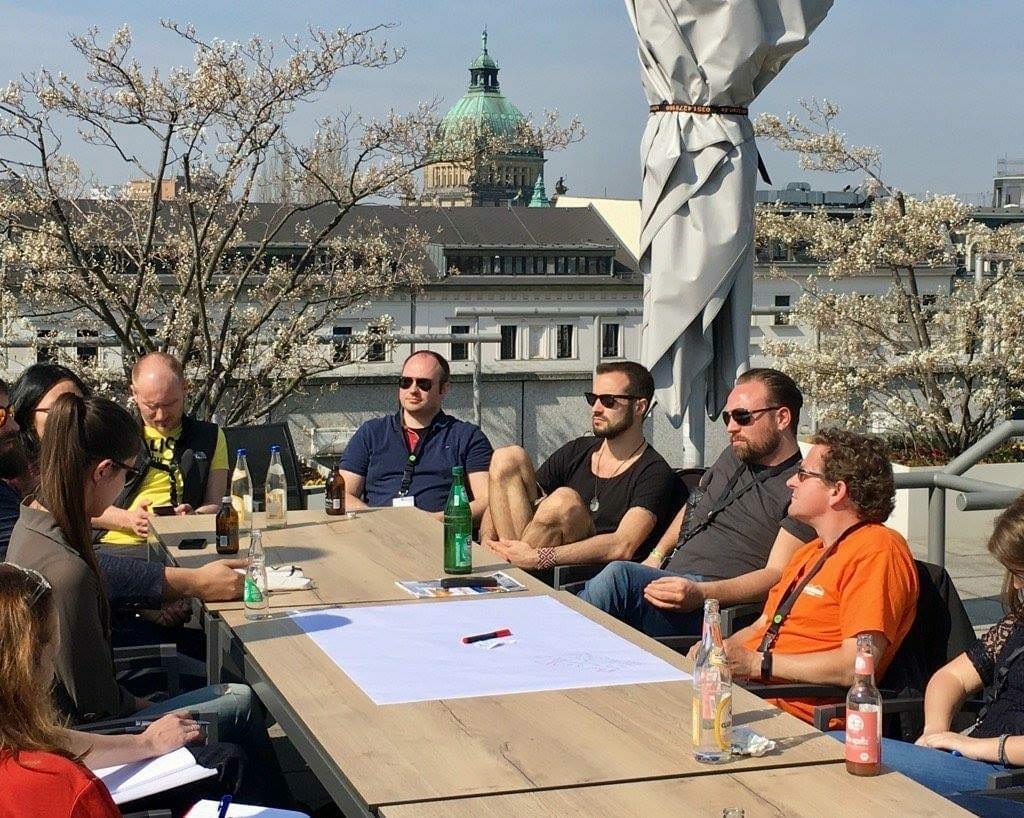
Collaboration trumps competition
As they say, a rising tide lifts all ships. Spaces that are actively co-operating with other coworking spaces to build a larger startup community add further value to their cities ecosystem as a cohesive network. This shouldn’t be limited to just coworking spaces, but what about collaborations between spaces, cities and universities? Universities contain tons of knowledge as well as equipment, but all those resources are currently in most places not very accessible for startup companies. What opportunities for innovations would arise when forces of knowledge, tools and entrepreneurship would be combined?Digital nomadism is attractive but abstract
Much interest at the conference was directed at digital nomadism. Many coworking space owners want to understand how to attract digital nomads and are intrigued by the idea, yet few have a good understand of what a digital nomad is usually looking for. Closely related is the concept op coliving, where people don’t only share their office, but their kitchen and living room as well. What that teaches the digital nomads among us, is that people want to cater to our needs, but we still need to explain to them what those needs are. The people we talked to, especially the ones that also have some in-house accommodation, are often happy to offer a free stay in exchange for good brainstorm sessions and other help that will give them a better understanding of digital nomad needs.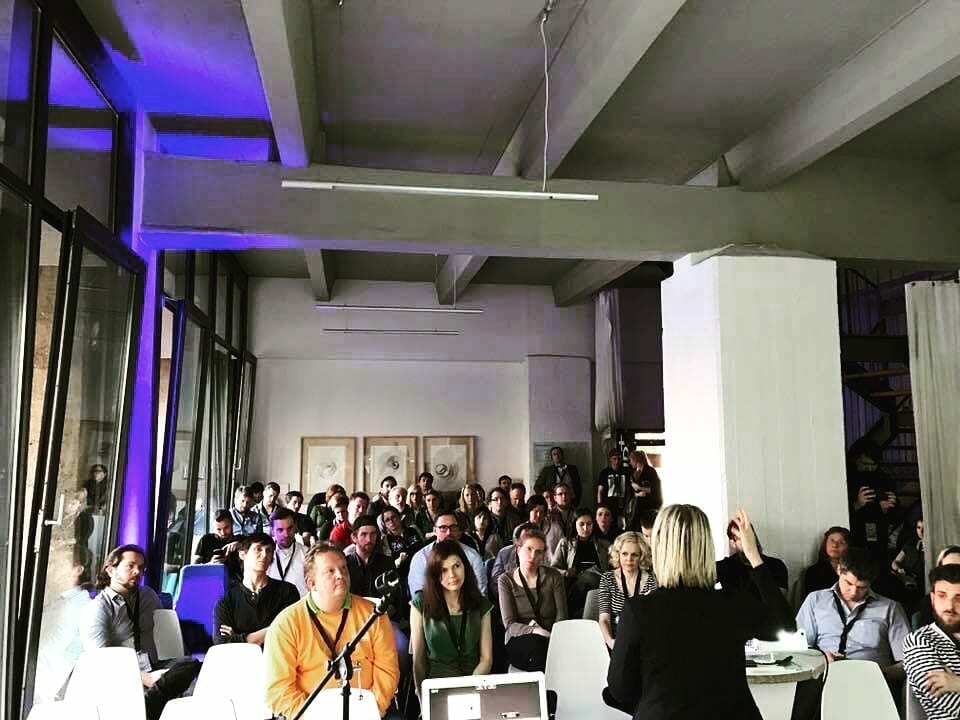
Corporates don’t get it
One topic that got many people talking afterwards, was the idea of corporates introducing coworking layouts in their offices. They create open floor plans, no more fixed desks, and other concepts seen in coworking spaces, and believe this is the new way to make employees happy. It rarely works that way, and that shows the true value of real coworking spaces. If you look at the ‘Why’ from the most successful coworking spaces, it’s because they want to offer a place where community, inspiration, entrepreneurship, innovation and - sure - work, come together. If you ask ‘Why’ corporates introduce the ‘coworking layout’, it’s more often than not: to save money. There’s no change in inspiration or innovation, it’s just a change of where the desks and chairs are. Exceptions aside, corporates can still learn a lot from coworking.Demand in flexibility
The demand by coworkers for flexibility grows more and more. It’s not only the digital nomads who want their freedom, in other words, an affordable price without committing to a 6-month stay. It’s also the freelance consultant who has clients in different cities, or the representative who wants to put in a few hours between meetings. The coworking spaces that are able to adapt to this need are likely the ones who will succeed in the long-run.Face to face networking is gold
Being location independent ourselves, we are all for Slack channels, Asana teams and Skype meetings. Yet we have to admit: face to face networking is gold. Each event accelerates the growth of your network, gives your new ideas for your business or projects and brings in new clients if you play your cards right. After talking to several people a few weeks later, we can conclude that Cowork 2017 has been an inspiring and very successful event for the attendees, with great ideas and tremendous energy. There is still so much room for growth, new fields to explore, that we’re already curious to see what the hot topics will be for next year!What happened after this was written
Claims then:
- COWORK 2017 in Leipzig, organised by the German Coworking Federation in official partnership with the City of Leipzig; "Leipzig seems to become the new Berlin".
- "Coworking is good for cities"; spaces, cities and universities should collaborate.
- Digital nomadism and coliving are "attractive but abstract" to operators.
- "Corporates don't get it": corporate open-plan "coworking layouts" are mostly about saving money.
- Demand for flexibility grows; flexible spaces "will succeed in the long-run".
- "Face to face networking is gold."
What happened since:
- COWORK has been held annually since 2014 (the 2020 edition is listed by the federation without details): Bremen 2018, Mannheim 2019, Solingen/Wuppertal 2023, Karlsruhe 2024, Berlin-Tegel 2025, and Düsseldorf-Kaiserswerth on 23–25 April 2026. The federation says the conference's history is older than the federation itself source.
- The German Coworking Federation (GCF) is still active and published a fee schedule in 2025 source.
- The flexibility claim was borne out: Coworking Europe now bills itself as a "Coworking & Flex Workspaces" conference source, and hotel groups run flex brands (see the Coworking Europe posts below).
- "Leipzig as the new Berlin", and whether corporate layouts failed: not verified in this pass.
Named spaces/orgs status:
| Name | Then | Now | Evidence |
|---|---|---|---|
| COWORK (conference) | 2017 edition in Leipzig | Still annual; 2026 edition in Düsseldorf-Kaiserswerth | GCF |
| German Coworking Federation | Organiser | Active | GCF |
Verdict: Came true (flexibility; the event lasted). Still valid (evergreen) (networking, working with cities). The Leipzig and corporate claims are unverified.
Headline finding: The small German barcamp Cowork7x24 covered in 2017 has run for twelve years and arguably outlived most of the bigger names in this batch.
Re-verified 3 November 2026: 4 claims confirmed, 1 corrected, 1 hedged, 0 removed.
Researched 30 September 2026 and re-verified against the sources on 3 November 2026. Sources are linked in each point. Items marked "unverified" could not be established and are not guessed.