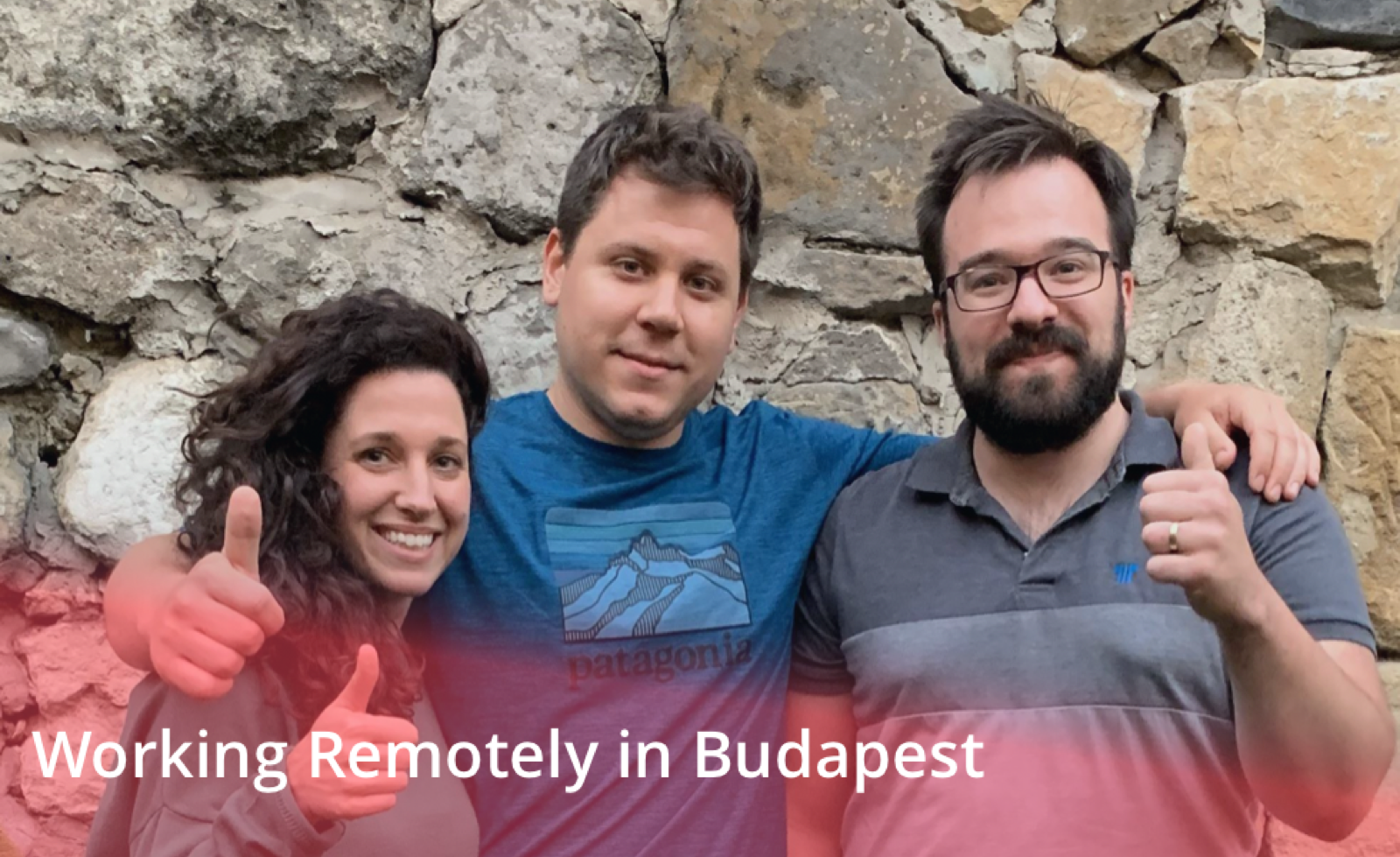
In 2019 we wrote that nomads were choosing Budapest; Hungary has since built a residence permit for exactly those people.
In October 2019 we published an interview with Bálint Németh, co-founder of Digital Nomad Hungary. Our intro set the scene: Budapest was "getting more and more popular among location-independents, digital nomads and remote-working professionals".
Let's be honest about that post. A good half of it was about our own Coworking Pass, and that pass no longer exists. So this is not a re-run. It keeps the parts that still help someone working from Budapest, and checks the rest against what happened.
What we said in 2019
The case for Budapest was a list most visitors would still recognise: history, architecture, nightlife, cheap flights, good train and bus connections, a low cost of living and a wave of new coworking spaces. Bálint put the count at "over 30" spaces in the city.
He also described a problem every remote worker knows. He couldn't work properly from home, so he worked from cafés. His needs were basic: fast internet, specialty coffee, enough personal space and a plug for the laptop. Budapest's cafés covered those. What they couldn't offer was quiet. They were busy, there was music, and people were chatting and laughing around him. That is what pushed him into coworking spaces.
Digital Nomad Hungary itself had started in June 2019. The plan was a personalised service to help nomads with daily life in Hungary, from accommodation and mobile data to places to work and travel loneliness, plus a nomad guidebook.
The hunch became law
In 2019 "nomads are choosing Budapest" was our own observation, backed by one local's experience. Since then the Hungarian state has acted on it.
Hungary now issues a "White Card" residence permit for digital nomads. According to the immigration office's factsheet (dated March 2026), it requires an income of about €3,000 net a month, lasts one year, and can be renewed once.
- The official White Card factsheet (Immigration and Asylum Office)
- A plain-English overview at remoteworkeurope.eu
If you are thinking of applying, read the official factsheet first. Thresholds and conditions are exactly the kind of detail that changes, and a blog post (this one included) is no substitute for the source.
The two spaces, then and now
The most useful part of the old interview was Bálint's honest notes on two spaces. Kaptár is still operating, and so is Impact Hub Budapest, at a new address.
Kaptár
Bálint chose Kaptár (the name means "Hive") first because it seemed to be one of the most visited and best-known spaces in the city. He arrived around 11 AM and found it 99% full. There was one spot left, on a couch by the kitchen, and he took it.
His verdict: lively, full of international people, with nice customer service. The practical lesson from 2019 still makes sense today: if a space is popular, don't turn up late in the morning and expect a choice of desks.
Impact Hub Budapest
His second stop was Impact Hub, which in 2019 was right in the centre at Ferenciek Square. He loved the building, inside and out. Apart from a few tiny call rooms it was one long, bright space with huge desks, comfortable office chairs and a corner to rest in. He saw someone take a short nap there, and the host just smiled.
His only complaint was that coffee wasn't included, though at 200 HUF it was cheap. That price is seven years old, so treat it as history, not a budget line. It has since moved: its own site now gives Babér utca 1–5, in the 13th district, though some listings still show Ferenciek tere.
What didn't last
- Our Coworking Pass and app. They are gone. The interview talked about a coming partnership with Digital Nomad Hungary for dedicated passes for their community. We can't find any public record that it happened, so we won't claim it did.
- Digital Nomad Hungary. The guidebook appears to have come out as an e-book (Budapest / Hungary Guide Book). We found no evidence that Digital Nomad Hungary is active in 2026.
- FreedomX Fest Budapest. The two-day festival where Bálint first met our founder now shows as inactive on its ticket page.
Working from Budapest today: what still holds
Strip out the product talk and the 2019 advice ages well.
- Know your basics. Bálint's café checklist (fast internet, good coffee, personal space, a plug) is still the right one. Add "quiet enough to focus" if you take calls.
- Mix cafés and spaces. He still worked from cafés regularly, rotating between three of them. Not every day needs a desk.
- Visit before you commit. As he put it, photos are never the same as the place. The people who work there set the atmosphere.
- Sort the paperwork early. If you plan to stay longer than a visit, the White Card is now the obvious route to look at. Start with the official factsheet.
In 2019 we said Budapest was becoming a city for remote workers. That part we got right. The tools we were selling to help them didn't last. The city did.
Written 3 November 2026 from the research behind the archive's 2026 updates (checked 30 September, re-verified 3 November 2026). Sources are linked in the text.